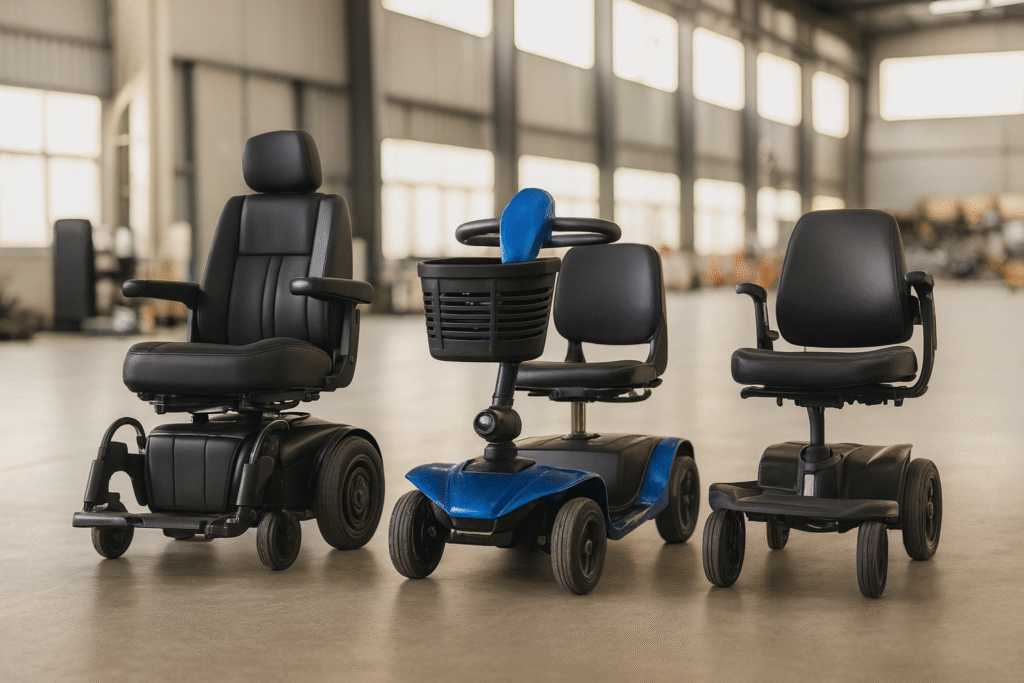
What Are Adaptive Wheelchairs?
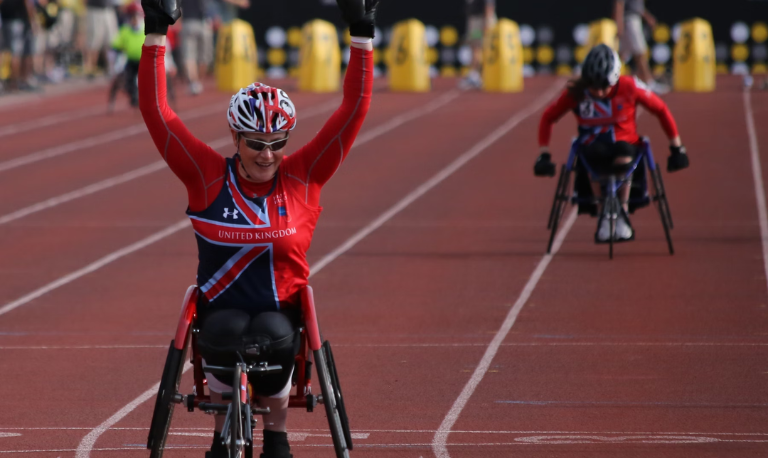
Adaptive wheelchairs are designed specifically for sports and recreational activities. Unlike standard or clinical models, these chairs are lightweight, durable, and built for speed, agility, and precise control. They’re often customized to fit the user’s body and sport-specific needs.
Common types include:
- Basketball wheelchairs
- Tennis wheelchairs
- Racing chairs
- Rugby or hockey wheelchairs
- Multi-sport recreational chairs
Key Features of Sports Wheelchairs
To perform well and ensure safety, sports wheelchairs must be optimized for their environment:
- Lightweight materials: Aluminum, titanium, or carbon fiber frames
- Cambered wheels: Angled for better stability and quick turning
- Adjustable backrests and footplates: To improve posture and control
- Anti-tip bars: Prevent the chair from flipping during fast movements
- Custom sizing: A precise fit maximizes performance and reduces injury risk
Suppliers should offer options that support both elite athletes and newcomers to adaptive sports.
Benefits Beyond Competition
Recreational wheelchairs open up access to physical activity, which supports overall health, social interaction, and psychological well-being. According to Federici and Scherer’s framework, participation in leisure and recreation is a critical part of functional life.
Adaptive wheelchairs also support:
- Community inclusion
- Confidence and motivation
- Physical rehabilitation
- Peer connection and teamwork
These benefits appeal not only to users but also to institutions that serve them — like rehab centers, schools, veterans’ organizations, and sports clubs.
Who Buys Adaptive Wheelchairs?
While many sports chairs are sold to individuals, B2B suppliers often work with:
- National sports federations
- Paralympic training programs
- Rehabilitation hospitals
- Nonprofits and foundations
- Schools and universities
- Military veterans’ organizations
Understanding the unique needs of each buyer type helps tailor proposals, pricing, and support materials.
Selling Strategies for B2B Suppliers
- Highlight Performance: Focus on how your chairs improve speed, responsiveness, and user comfort.
- Offer Customization: Frame angles, seat width, backrest height — all should be adjustable or built-to-order.
- Build a Sponsorship Program: Support athletes or events to showcase your brand’s commitment and capabilities.
- Collaborate with Therapists and Coaches: Design support programs that include training and fitting services.
- 5. Provide Demo Models: Allow clubs or rehab centers to test your products before purchase.
Product Line Suggestions
B2B suppliers should consider a tiered product range:
- Entry-Level: Basic, affordable recreational models for new users
- Mid-Tier: Semi-customized chairs for club athletes
- Elite Tier: Fully customized competition-grade chairs
- This approach allows clients to grow within your product ecosystem.
Conclusion
Adaptive wheelchairs are more than tools — they’re pathways to empowerment, inclusion, and performance. For B2B suppliers, this market offers a unique chance to combine social value with business growth.
By offering quality, customization, and a deep understanding of user needs, your business can become a trusted name in the fast-growing world of adaptive sports.



 English
  Deutsch
  Dansk
Dansk  Nederlands
  Suomi
Suomi  Français
  Bahasa Indonesia
  Italiano
  日本語
日本語  한국어
한국어  Norsk bokmål
  Polski
  Português do Brasil
  Русский
  Español
  Svenska
  ไทย
ไทย  Türkçe
  Tiếng Việt