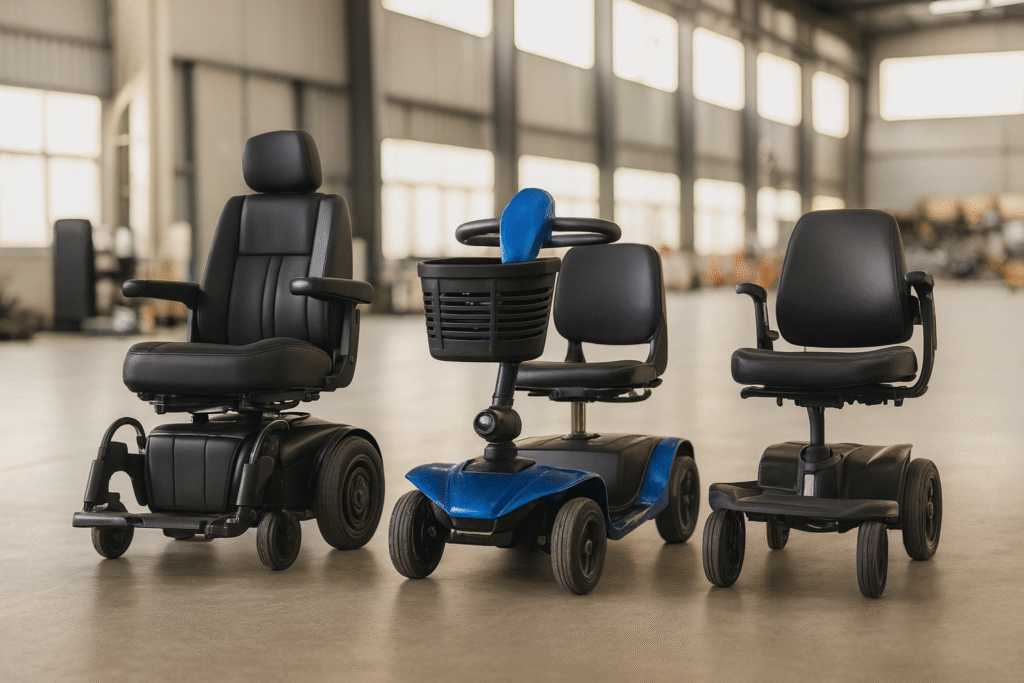
What Is AT Abandonment?
AT abandonment happens when a user stops using a device — even one that could greatly help them — because it doesn’t fit well into their life. According to Federici and Scherer, common reasons include:
- Lack of user training
- Mismatch between expectations and real-life experience
- Poor integration into daily routines
- Fear of malfunction or embarrassment
In some studies, abandonment rates for complex mobility equipment reach 30% or more. That’s a significant issue for the B2B supply chain.
Why Post-Sale Support Is Critical
Many users receive little more than a product and a quick demonstration. For those with limited technical skills or cognitive barriers, this is rarely enough.
- Effective post-sale training helps users:
- Learn to operate all features confidently
- Perform basic troubleshooting
- Understand how the chair fits into home, travel, and social life
- Feel comfortable and dignified using it
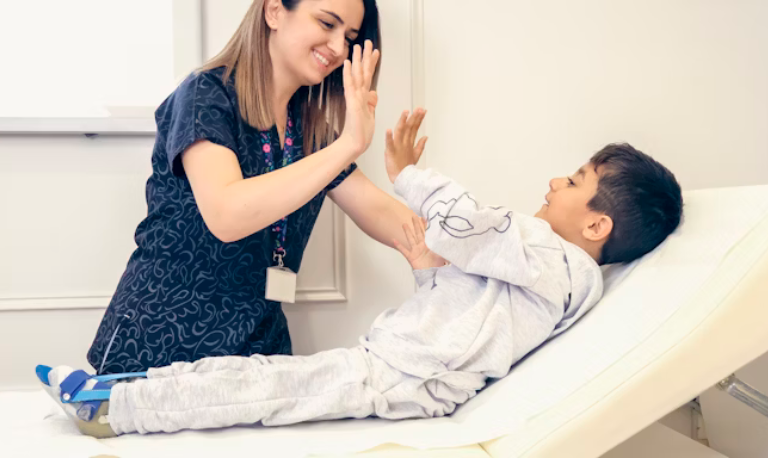
- It also supports caregivers, reducing their stress and improving adoption.
Benefits for B2B Stakeholders
For Distributors and Dealers:
- Fewer returns and complaints
- Better reviews and referrals
- Higher reorder potential from happy clients
For End-User Organizations:
- Improved patient satisfaction scores
- Lower risk of injury due to misuse
- Better long-term outcomes and independence
For Suppliers:
- More accurate product feedback
- Differentiation in a crowded market
- Increased loyalty from partners and resellers
What Training Should Include
An ideal post-sale training package might feature:
- In-Person or Virtual Demo:
- Delivered by a trained technician or therapist
- Covers basic operation, adjustments, and charging
- Quick-Start Guide: Simple visual instructions with large fonts and icons
- Video Tutorials: Short clips that cover frequent user questions
- Caregiver Guide: Specific instructions for those assisting the user
- Live Support Access: Phone, chat, or email help for troubleshooting
- Follow-Up Contact: A check-in within 2–4 weeks to ask how it’s going
Training Is a Sales Tool
Training isn’t just support — it’s marketing. When your B2B materials include detailed training plans, it gives distributors and clinicians more confidence in your product. It signals that you care about the long-term success of the user, not just the sale. Offer downloadable content on your website, co-branded materials for resellers, and optional training bundles with every order.
Case Study: A Small Investment, Big Impact:
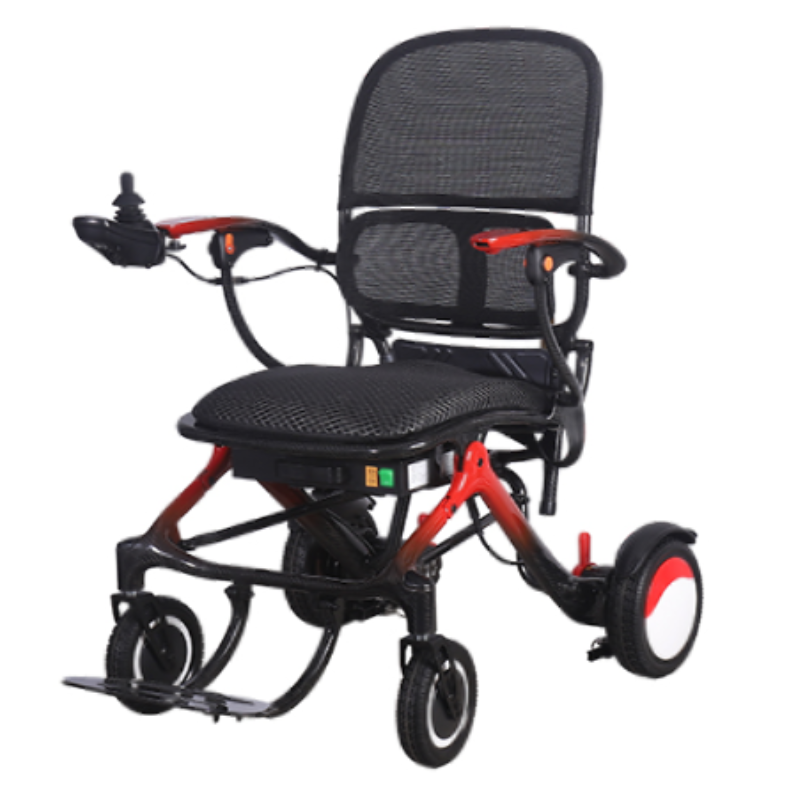
A U.K.-based distributor began offering 30-minute video onboarding calls with every power wheelchair purchase. Over the next six months, returns dropped by 40%, and five-star reviews on partner platforms doubled.
The lesson? Even modest training efforts can dramatically change user experience.
Conclusion
Abandonment is avoidable. With thoughtful, user-centered training programs, B2B suppliers can ensure their electric wheelchairs are not only sold — but used, valued, and recommended.
Post-sale training isn’t just good practice — it’s good business. It turns a product delivery into a relationship, and that relationship builds a reputation that lasts.



 English
  Deutsch
  Dansk
Dansk  Nederlands
  Suomi
Suomi  Français
  Bahasa Indonesia
  Italiano
  日本語
日本語  한국어
한국어  Norsk bokmål
  Polski
  Português do Brasil
  Русский
  Español
  Svenska
  ไทย
ไทย  Türkçe
  Tiếng Việt