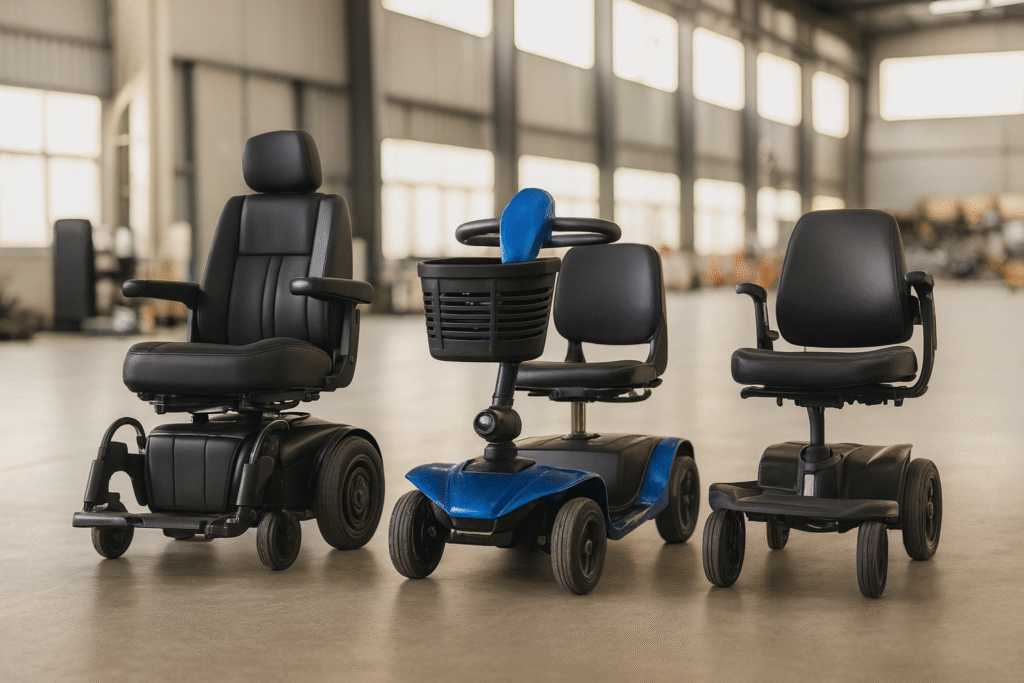
Mobility Aid Industry Q3 2026 Review & Q4 Outlook: Trends, Tariffs & B2B Opportunities
Quick Answer: Q3 2026 reshaped the mobility aid industry through unprecedented consolidation, shifting US tariff regimes, and accelerating demand for lightweight smart devices. With the effective tariff on Chinese medical devices reaching 39% and DHCare’s mega-merger redefining Europe’s competitive landscape, B2B buyers must reassess sourcing strategies, diversify supply chains, and position for carbon fiber and connected-device growth in Q4 and beyond.
Last updated: September 2026
Q3 2026 Industry Highlights: Policy Shifts, Mergers, and Technology Breakthroughs
The third quarter of 2026 will be remembered as a watershed moment for the global mobility aid industry. From sweeping tariff changes in the United States to the largest European consolidation in decades, B2B stakeholders across the supply chain faced a rapidly evolving landscape that demanded both agility and strategic foresight.
US Tariff Overhaul: Section 301 Forced-Labor Duty Replaces Section 122
The most significant policy development of Q3 was the expiration of the Section 122 surcharge on July 24, 2026, and its immediate replacement by a new forced-labor Section 301 tariff. According to calcmytariff.com, the total effective tariff rate on Chinese-origin medical devices now stands at 39.0%, composed of three layers: the MFN base rate of 1.5%, the existing Section 301 duty of 25%, and the new forced-labor Section 301 duty of 12.5%.
This layered tariff structure has profound implications for B2B importers. The de minimis $800 exemption, which previously allowed small-value shipments to bypass duties, has been suspended for all countries. The forced-labor Section 301 tariff is a long-term measure with no fixed expiration date, unlike the 150-day-limited Section 122 surcharge it replaced. According to analysis by the China Council for the Promotion of International Trade, the new tariff applies to 60 economies, with China (including Hong Kong) facing the highest additional rate of 12.5%.
However, there are mitigating pathways. Certain medical product exclusions under Section 301 List 3 and List 4A run through November 10, 2026, and duty drawback programs allow up to 99% recovery on re-exported goods, including Section 301 duties. B2B buyers sourcing from a mobility aid manufacturer in China should work closely with customs brokers to optimize HTS classification and explore all available exclusion and drawback opportunities.
Mega-Mergers Reshape the European Competitive Landscape
Q3 2026 witnessed the most significant consolidation in the European mobility aid sector in living memory. On July 3, 2026, DHCare was officially launched, bringing together Invacare and Direct Healthcare Group (DHG) under the ownership of private equity firm Rhône Group. As reported by Review Mobility, the combined entity spans Europe, the Middle East, Africa, and Asia Pacific with a portfolio covering recovery, independence, and everyday living solutions.
The consolidation did not stop there. DHCare simultaneously signed a definitive agreement to carve out and acquire Ottobock’s Human Mobility division, as announced on June 19, 2026, via Direct Healthcare Group’s official announcement. This acquisition, expected to close in H2 2026, would bring together DHCare’s clinical expertise and pan-European footprint with Ottobock’s deep technical heritage in complex power wheelchairs, particularly in the DACH region.
Earlier in the year, Sunrise Medical, backed by Platinum Equity, acquired Ergoflix, a provider of premium foldable power wheelchairs, strengthening its Premium Standard Rehabilitation offerings. According to M&A Insights, the deal was completed in January 2026 and positions Sunrise Medical to tap into rapidly growing foldable wheelchair segments.
In the UK retail sector, Eden Mobility acquired Derbyshire Mobility in June 2026, bringing its total store count to 47 nationwide. As reported by Review Mobility, the company has grown nearly 50% in under two years since receiving investment from Foresight Group. Additionally, Advanced Healthcare Group acquired Able Care and City Mobility in Scotland in July 2026, continuing the consolidation trend across the UK retail landscape.
Technology Breakthroughs in Q3 2026
Q3 2026 also saw notable technology advances across the mobility aid sector. Smart mobility devices equipped with GPS tracking, fall detection sensors, and Bluetooth diagnostics continued their migration from premium tiers into mid-range product lines—a pattern that typically takes 12 to 18 months to propagate downward. According to Industry Research, approximately 31% of advanced mobility devices now include sensor-based fall detection systems, and battery efficiency improvements have extended powered wheelchair operating duration by nearly 22%.
Carbon fiber technology moved decisively from exotic to expected in the travel and active-user segments. Commercial frames under 8 kg are now routine, and magnesium alloy appeared in several 2026 power models, offering still lower mass with excellent stiffness. These material advances have direct commercial implications: a 4 kg reduction in shipping weight can cut air-freight expense 15-20% on high-volume lanes and sharply reduce last-mile damage claims.
Market Size and Growth Trajectory
Multiple market research firms confirm robust growth across the mobility aid sector. According to Mordor Intelligence, the medical mobility aids market is projected at USD 19.23 billion in 2026, growing to USD 25.06 billion by 2031 at a CAGR of 5.43%. Grand View Research values the personal mobility devices market at USD 13.6 billion in 2026, with a forecast of USD 20.1 billion by 2033 at a 5.8% CAGR. Verified Market Reports offers an even broader assessment, valuing the mobility assistive devices market at USD 25.28 billion in 2026 with a projected USD 39.12 billion by 2034 at a 5.14% CAGR.
The variations in market sizing across research firms reflect differences in product scope, geographic coverage, and methodology. What all reports agree on, however, is the structural growth trajectory driven by aging demographics, chronic disease prevalence, and the shift from institutional to home-based care. According to Industry Research, approximately 54 million adults in the United States experience mobility-related disabilities, and nearly 35% of seniors above 65 years use mobility assistance products.
Key segmentation data from these reports includes:
| Segment | 2025 Share | Projected CAGR |
|---|---|---|
| Wheelchairs (by product type) | 41.73% | — |
| Mobility Scooters (by product type) | — | 6.76% |
| Powered Devices (by technology) | — | 7.88% |
| Home Care Settings (by end user) | 48.72% | — |
| Online Retail (by channel) | 29.67% | 8.56% |
| Asia-Pacific (by region) | — | 6.51% |
North America continues to dominate with 38.41% of the market, while Asia-Pacific is the fastest-growing region. For B2B distributors evaluating electric wheelchair manufacturers in China, these figures underscore both the scale of opportunity and the importance of capturing growth in emerging markets.
1000Mobility Q3 Milestones: Expanding Global Reach
At 1000Mobility, Q3 2026 was a period of strategic expansion and product innovation, positioning the company to capitalize on the industry trends identified above. Several key milestones were achieved across languages, product lines, and market presence.
Language and Market Expansion
During Q3, 1000Mobility expanded its multilingual platform with new localized pages targeting high-growth markets in Southeast Asia and Latin America. These additions complement the existing English, European, and Japanese language offerings, ensuring that B2B partners worldwide can access product specifications, certification documentation, and OEM/ODM capabilities in their preferred language. This expansion aligns with the industry trend toward digital-first B2B procurement, where online retail channels are projected to grow at an 8.56% CAGR through 2031.
Product Portfolio Enhancements
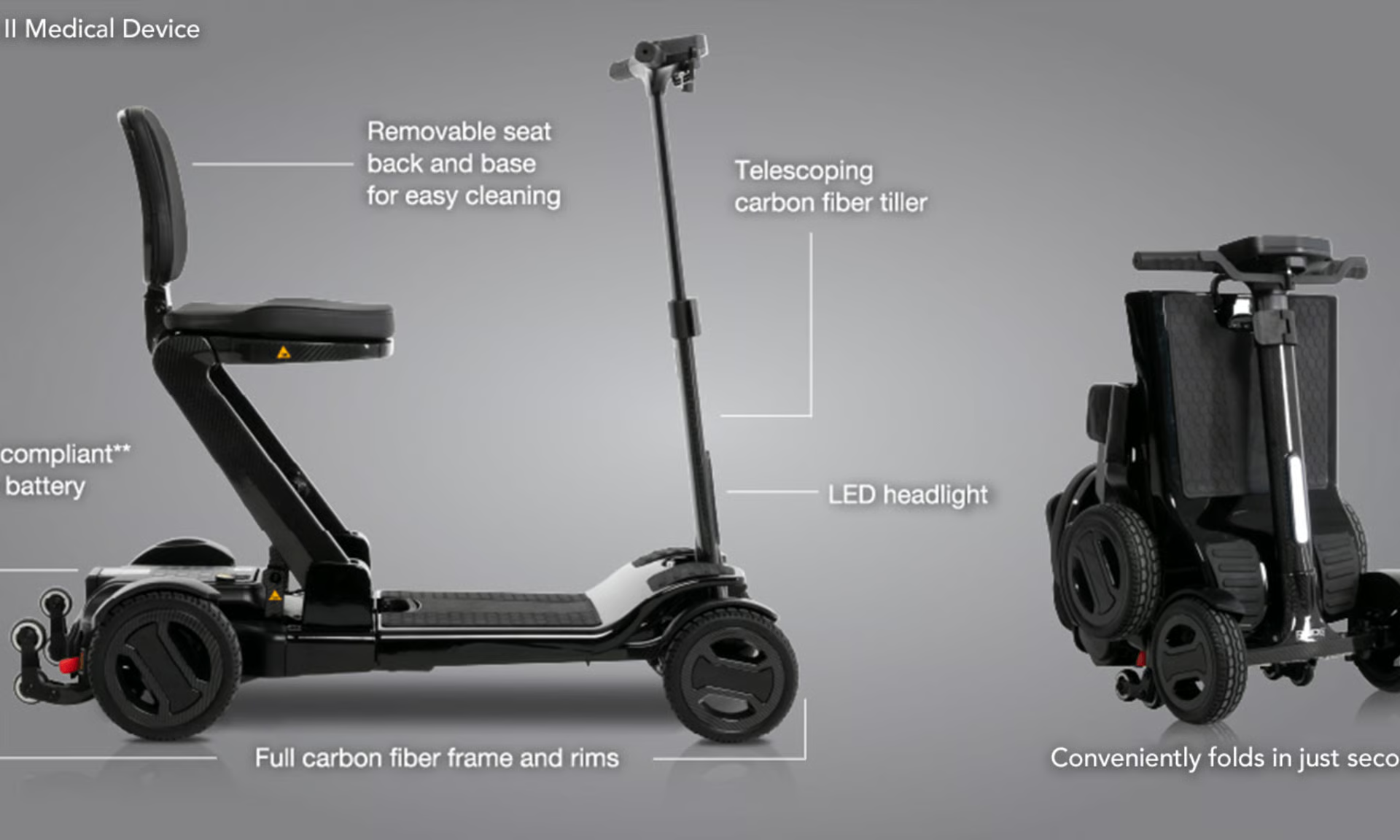
The Q3 product roadmap focused on lightweight, travel-oriented mobility solutions that meet the evolving demands identified by market research. New landing pages were launched for the portable folding mobility scooter e 4-wheel mobility scooter wholesale categories, reflecting the strong growth in the mobility scooter segment (6.76% CAGR). The company also enhanced its manual wheelchair wholesale offerings with upgraded aluminum alloy frames that meet the sub-12kg weight benchmark now considered the industry baseline for B2B RFQs.
Trade Show and Industry Engagement
1000Mobility maintained an active presence at key industry events throughout Q3, engaging with distributors, healthcare procurement teams, and rehabilitation specialists. These interactions provided valuable market intelligence on emerging demand patterns, particularly the shift toward carbon fiber construction and smart device integration. The company’s OEM/ODM services capabilities were showcased extensively, with multiple new partnership agreements initiated during trade show engagements.
Q4 2026 Trend Forecast: Demand, Supply Chain, and Currency Impacts
As the industry enters the final quarter of 2026, several converging trends will shape B2B procurement decisions and strategic planning.
Demand-Side Dynamics
The demographic drivers of mobility aid demand remain structurally robust. According to the Mordor Intelligence report, approximately 62% of elderly individuals require mobility assistance, and nearly 48% of rehabilitation patients depend on mobility devices. By 2030, 1 in 6 people worldwide will be aged 60 or older, creating a multi-decade demand floor for wheelchairs, scooters, and walking aids.
Q4 will see seasonal demand patterns typical of the mobility aid industry, with year-end institutional procurement cycles driving bulk orders from hospitals, rehabilitation centers, and government health programs. Additionally, the shift toward home-based care continues to accelerate—home care settings already account for 48.72% of total demand—and this trend will intensify as winter weather in Northern Hemisphere markets increases the need for indoor mobility solutions.
Supply Chain and Tariff Considerations
The new forced-labor Section 301 tariff of 12.5% on Chinese imports, effective since July 24, 2026, creates a permanent cost layer that B2B buyers must factor into their Q4 and 2027 sourcing models. Unlike the Section 122 surcharge it replaced, this tariff has no expiration date, meaning the 39% effective rate on Chinese medical devices is likely to persist into the foreseeable future.
However, the RCEP trade agreement continues to provide significant relief for B2B buyers serving Asian markets. According to industry analysis, preferential certificates of origin under RCEP can reduce duties by 5-15% on many wheelchair categories, depending on the destination country. A Southeast Asian distributor leveraging RCEP certificates of origin reported a 40% year-over-year increase in shipments in Q1 2026, with effective duty reductions exceeding 10%.
Simultaneously, US-China trade negotiations are progressing. China’s Ministry of Commerce confirmed in July 2026 that both countries are exploring a USD 30 billion mutual tariff reduction framework through newly established trade and investment councils. While outcomes remain uncertain, B2B buyers should monitor these developments closely and maintain flexibility in their sourcing strategies.
Currency and Raw Material Impacts
Raw material costs remain a significant variable in Q4 planning. The mobility aid industry depends heavily on aluminum, steel, carbon fiber, lithium-ion batteries, and semiconductor components. Price volatility in these inputs directly affects manufacturing costs and, ultimately, landed costs for importers. According to Grand View Research, rising raw material costs and supply chain disruptions are expected to delay industry progress and lead to product pricing inflation.
Currency fluctuations between the US dollar, Chinese yuan, and euro will also impact Q4 procurement decisions. B2B buyers should consider forward contracts and multi-currency payment arrangements with manufacturers to hedge against exchange rate volatility, particularly for large-volume orders with extended production timelines. The yuan’s trajectory against the dollar will be particularly consequential given the stacked tariff structure on Chinese imports, as even minor currency shifts can materially alter landed costs when multiplied across container-level volumes.
Additionally, B2B buyers should factor in the continued growth of online retail channels, which represented 29.67% of market share in 2025 and are projected to grow at an 8.56% CAGR through 2031. This channel shift means that product specifications, packaging, and after-sales support documentation must be optimized for direct-to-consumer delivery models, not just traditional dealer networks. Manufacturers that can provide e-commerce-ready product imagery, video content, and assembly instructions will give their distribution partners a significant competitive advantage in the digital marketplace.
Competitive Landscape: Dragon Medical, Baichen, and Richall Medical
The Chinese mobility aid manufacturing sector—critical to global supply chains—saw notable developments among key competitors during Q3 2026.
Dragon Medical (DragonMFC)
Dragon Medical continues to leverage its impressive manufacturing scale, operating a 200,000-square-meter facility with over 1,000 skilled professionals and annual production exceeding 4 million units. According to the company’s official communications, Dragon Medical serves over 100 countries and maintains partnerships with medical groups across mainland China, Hong Kong, and Taiwan. The company holds FDA and CE certifications and offers extensive OEM/ODM customization options including logo printing, color customization, and battery specification tuning.
However, Dragon Medical’s product strategy remains heavily weighted toward traditional aluminum and steel frame construction, with carbon fiber representing a smaller portion of its portfolio. This positioning may limit the company’s ability to capture premium segment growth as carbon fiber demand accelerates.
Ningbo Baichen Medical Devices
Baichen Medical made strategic moves in Q3 2026 to strengthen its after-sales service capabilities, deploying a standardized remote repair guidance system in Italy. According to the company’s announcement on July 29, 2026, the system comprises illustrated manuals, video tutorials, and real-time communication channels, enabling online retailers without in-house service teams to deliver seamless after-sales support. This initiative directly addresses the after-sales service gap that many B2B distributors cite as a key barrier to online channel growth.
Baichen also signaled ambitions for global capital market access, with references on its website to a Nasdaq listing—a move that, if realized, would provide additional capital for R&D and international expansion. The company operates a 20,000-square-meter factory with over 120 employees and has established export markets in the USA, Canada, UK, and Germany.
Richall Medical Technology
Richall Medical has positioned itself as the carbon fiber specialist among Chinese manufacturers, operating a 28,000-square-meter facility in Zhejiang with a dedicated R&D building. According to the company’s published materials, Richall holds ISO 13485, CE (under MDR), UKCA, and FDA certifications, and offers comprehensive OEM/ODM services including custom frame colors, wheel designs, controller programming, and branded packaging.
The company’s strategic emphasis on carbon fiber technology aligns with the industry trend toward lightweight, high-performance mobility devices. Richall’s product portfolio spans ultra-lightweight carbon fiber electric wheelchairs, aluminum models, rollators, and other mobility aids. The dedicated R&D building, a detail highlighted in the company’s factory guide, signals a long-term commitment to innovation that distinguishes Richall from competitors focused primarily on production scale.
1000Mobility’s Competitive Position
Against this competitive backdrop, 1000Mobility differentiates itself through a combination of certified manufacturing capabilities, a comprehensive product portfolio spanning electric and manual wheelchairs, mobility scooters, and walking aids, and a customer-centric approach to OEM/ODM partnerships. The company’s investment in multilingual digital infrastructure and its expanding network of distributor partnerships position it to capture market share in both established and emerging markets.
2027 Pre-Positioning: Strategic Recommendations for B2B Buyers
As the industry looks beyond Q4 2026, several strategic imperatives should guide B2B procurement and partnership decisions for the coming year.
1. Diversify Sourcing Across Trade Agreement Frameworks
The persistent 39% effective US tariff on Chinese medical devices makes supply chain diversification essential. B2B buyers should evaluate sourcing strategies that leverage RCEP preferential tariffs for Asian market distribution while maintaining Chinese manufacturing relationships for European and other duty-free destinations. The HS code 8713 classification for wheelchairs should be carefully reviewed to ensure accurate customs documentation and maximum tariff benefit utilization.
2. Prioritize Lightweight and Carbon Fiber Product Lines
Market data consistently shows that lightweight and carbon fiber segments are the margin engines of the mobility aid industry. Carbon fiber mobility products saw approximately 23% demand growth, and 44% of manufacturers have introduced lightweight and foldable products. Distributors who reallocate inventory toward these premium segments can lift average selling prices while reducing shipping costs—a 4kg reduction in shipping weight can cut air-freight expenses by 15-20%.
3. Invest in Digital and Smart Device Capabilities
Smart mobility devices with IoT sensors, GPS tracking, and health monitoring systems experienced approximately 18% growth in healthcare facilities. Online retail channels are projected to grow at an 8.56% CAGR through 2031. B2B distributors should develop digital commerce capabilities and consider partnering with manufacturers that offer smart-enabled product lines to capture this accelerating segment.
4. Strengthen After-Sales Service Infrastructure
Baichen’s remote repair guidance system deployment in Italy highlights the growing importance of after-sales service as a competitive differentiator. B2B distributors should invest in similar service capabilities—including illustrated repair manuals, video tutorials, and real-time technical support—to reduce return rates and build customer loyalty in an increasingly consolidated market.
5. Monitor Regulatory Developments Closely
The EU Medical Device Regulation (MDR 2017/745) continues to tighten requirements, and US Commerce Department investigations into medical devices under Section 232 could introduce additional tariff layers. B2B buyers should maintain current, model-specific certifications and full technical files from their manufacturing partners, and verify all claims through independent channels such as the NANDO database for CE marking and the FDA Establishment Registration database. A certificate that covers a different model can create customs delays and potential seizures, making it essential to demand model-specific documentation rather than generic company-level compliance statements.
6. Build Strategic Inventory Buffers
Given the volatility of tariff regimes, shipping costs, and raw material prices, maintaining strategic inventory buffers of critical mobility aid products is increasingly important. Rather than pursuing just-in-time delivery models that leave distributors exposed to supply disruptions, consider quarterly bulk ordering with staggered shipment schedules. This approach allows you to lock in favorable pricing during manufacturer promotional periods while ensuring product availability during peak seasonal demand. For premium carbon fiber models with longer production lead times, a 60-90 day safety stock is advisable, particularly for distributors serving government healthcare procurement cycles where delivery deadlines are non-negotiable.
Conclusione
Q3 2026 was a transformative quarter for the mobility aid industry, marked by unprecedented consolidation, structural tariff changes, and accelerating technology adoption. The DHCare merger and Ottobock acquisition reshape Europe’s competitive landscape, while the 39% effective US tariff on Chinese medical devices creates permanent cost pressures that demand strategic sourcing responses.
For B2B buyers and distributors, the path forward requires balancing cost optimization with product innovation, diversifying supply chains across trade agreement frameworks, and investing in digital capabilities and after-sales service infrastructure. The mobility aid industry outlook remains fundamentally strong—driven by demographic tailwinds and technological advancement—but success in 2027 will belong to those who position strategically today.
1000Mobility is committed to helping B2B partners navigate this evolving landscape with certified manufacturing capabilities, comprehensive OEM/ODM services, and a product portfolio designed for the lightweight, smart, and connected future of mobility aids. Whether you are seeking a reliable mobility aid manufacturer in China for bulk procurement, exploring private-label opportunities through our OEM/ODM services, or looking to become a distributor in your regional market, our team is ready to support your growth objectives. Contact our team today to discuss your Q4 sourcing needs and 2027 strategic planning.
Written by the 1000Mobility Editorial Team
Interested in Wholesale Pricing?
Get OEM/ODM details, product specifications, and wholesale pricing within 24 hours.
Or send us a message directly:
 English
  Deutsch
  Français
  Español
  Italiano
  العربية
  Русский