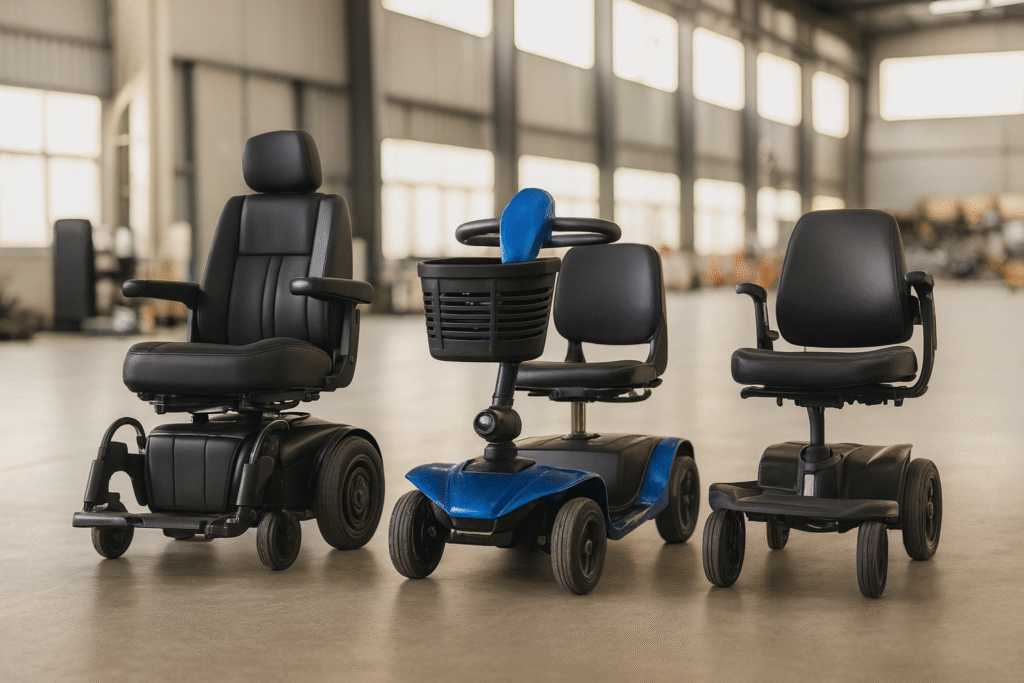
Wholesale Wheelchair Guide for Distributors 2026: Sourcing, Pricing & Compliance
From the Field
Having exported to over 30 countries in the past five years, we’ve seen every mistake a new distributor can make — and the most costly one is always underestimating certification timelines. In the EU, CE marking under MDR can take 6-9 months if documentation isn’t prepared correctly the first time. We’ve had distributors lose entire sales seasons because they started the certification process after placing their first order. Our standard advice: begin regulatory work 12 months before your planned launch date. In Brazil, ANVISA registration took one of our distributors 14 months — far longer than the 6 months they initially budgeted. We now provide a certification timeline matrix covering 15 major markets, updated quarterly, to every new distributor partner. Another hard lesson: shipping samples for testing requires specific documentation, and several of our distributors paid import duties twice because their test units weren’t properly labeled as temporary imports. Proper ATA Carnet usage would have saved them thousands.
1000Mobility Editorial Team
Product specialists with hands-on experience in mobility equipment manufacturing and B2B export. Learn more →
Last updated: July 2026
The global wheelchair market is experiencing unprecedented growth. Valued at USD 7.05 billion in 2026, it’s projected to reach USD 12.01 billion by 2032, growing at a compound annual growth rate of 9.27% (Research and Markets). North America holds the largest market share at 39.8%, driven by strong government initiatives, accessibility programs, and robust healthcare infrastructure (Coherent Market Insights).
For distributors and importers, this growth represents a significant business opportunity — but only if you navigate the complexities of international sourcing, certification, logistics, and supplier evaluation correctly. This wholesale wheelchair guide walks you through everything you need to know to build a profitable and sustainable mobility product business.
What Are the Minimum Order Quantities for Wholesale Wheelchairs?
Minimum order quantities (MOQs) vary significantly by product type, customization level, and supplier scale. Understanding these benchmarks helps you plan your procurement strategy effectively.
Standard Model MOQs
For off-the-shelf wheelchair models without customization:
- Standard manual wheelchairs: 10–20 units per model (container mix-loading is common)
- Electric wheelchairs: 3–20 units per model
- Mobility scooters: 5–20 units per model
- Rollators and walking aids: 10–50 units per model
Custom/OEM/ODM MOQs
For branded or customized products:
- Basic OEM (logo, color, packaging): 50–100 units
- Full ODM (custom design, tooling): 100–500 units
- Carbon fiber custom projects: 50+ units with tooling amortization over 500 units
Sample Units
Most reputable manufacturers offer single-unit sampling for evaluation and regulatory testing. This is essential — never place a bulk order without first receiving and testing a sample against your target market’s standards.
How Much Do Wholesale Wheelchairs Cost?
FOB (Free on Board) pricing depends on materials, features, and order volume. Here are the typical 2026 benchmarks based on current market data:
| Product Type | Estimated FOB Price (USD) |
|---|---|
| Standard manual wheelchair | $45–$90 per unit |
| Commode wheelchair | $55–$110 per unit |
| Children’s wheelchair | $60–$130 per unit |
| Lightweight aluminum folding wheelchair | $122–$150 per unit |
| Basic electric wheelchair | $280–$600 per unit |
| Carbon fiber electric wheelchair | $600–$1,500+ per unit |
| Premium smart electric wheelchair | $1,000–$2,500+ per unit |
Pricing is also influenced by:
- Order volume: Larger orders typically yield 10–20% cost savings through efficient production runs
- Material selection: Carbon fiber commands a 40–60% premium over aluminum
- Feature set: Smart connectivity, GPS, and advanced battery systems add $200–$800 per unit
- Packaging requirements: Reinforced export cartons and custom branding add marginal cost
What Certifications Do Wholesale Wheelchairs Need?
Compliance is non-negotiable in the medical device sector. Without proper certifications, shipments face customs delays, product recalls, or legal issues. The specific requirements vary by target market:
European Union (EU MDR)
- CE Marking under EU Medical Device Regulation 2017/745
- ISO 13485:2016 Quality Management System
- ISO 7176 series testing (multiple parts for static strength, impact, fatigue)
- Clinical evaluation and Unique Device Identification (UDI)
- Notified Body involvement for Class I measuring or Class IIa devices
United States (FDA)
- FDA 21 CFR Part 890 — Class II medical device regulation
- FDA 510(k) premarket notification for most powered wheelchairs
- ISO 14971 risk management
- ANSI/RESNA WC-1:2017 testing standards
- FDA registration and product listing for the manufacturer
- U.S. Agent appointment for foreign manufacturers
International Standards
- ISO 7176-8: Static, impact, and fatigue strength testing
- ISO 7176-9: Climatic testing
- ISO 7176-19: Wheeled mobility devices for use in motor vehicles
- IEC 60601-1: Electrical safety
- IEC 60601-1-2: Electromagnetic compatibility (EMC)
- UN 38.3: Lithium battery transport safety testing
Our quality certifications page provides a comprehensive overview of the certifications we maintain across all product lines. For distributors entering new markets, having a supplier with readily available compliance documentation eliminates regulatory friction and accelerates time-to-market.
How Do Tariffs and Import Duties Affect Wholesale Wheelchair Pricing?
Understanding the tariff landscape is critical for accurate cost calculation and competitive pricing. The good news for wheelchair importers is that most major markets offer favorable duty treatment for mobility devices.
HS Code Classification
Wheelchairs are classified under HS Code 8713 (invalid carriages for disabled persons, whether or not motorized):
- 8713.10.00: Manual (non-mechanically propelled) wheelchairs
- 8713.90.00: Other wheelchairs (including electric and smart wheelchairs)
Duty Rates by Market (Verified 2026)
| Market | MFN Duty Rate | Additional Tariffs |
|---|---|---|
| European Union (27 members) | Free | None for most countries |
| United States | Free | Section 301: 25% on China-origin; Section 122: 10% (expires ~July 2026) |
| United Kingdom | Free | None post-Brexit |
(Dutiable.io — verified against USITC HTS, EU TARIC, UK Global Tariff, Tariffs Tool)
U.S. Tariff Considerations for China-Origin Wheelchairs
While the MFN duty rate for wheelchairs entering the U.S. is technically free, Chinese-origin goods face additional tariffs:
- Section 301 tariff: 25% additional duty on China-origin imports
- Section 122 tariff: 10% (effective February 2026, expires approximately July 2026 unless Congress acts)
These additional tariffs significantly impact landed cost calculations. Distributors should work with customs brokers to determine exact landed costs and explore strategies such as:
- Bonded warehouse storage to defer duty payments
- First Sale for Export valuation to potentially reduce dutiable value
- Free Trade Agreement utilization if sourcing from countries with preferential agreements
How Do You Evaluate and Choose a Wholesale Wheelchair Supplier?
Selecting the right manufacturer is the most consequential decision a distributor makes. Here’s a systematic evaluation framework:
1. Manufacturing Capabilities
- Factory size and production capacity (benchmark: mid-tier suppliers operate 1,000–8,000 m²; large-scale manufacturers exceed 8,000 m²)
- Automation levels (robotic welding, CNC laser cutting, automated powder coating)
- Quality control systems (multi-stage inspections from raw materials to final packaging)
- ERP system integration for production tracking
2. Quality Assurance Protocols
A robust QA process includes three critical stages:
- Material verification: EN 10204-3.1 certificates for metal alloys, RoHS compliance for plastics
- In-process inspections: Weld strength, brake functionality, load testing under ISO 7176 standards
- Pre-shipment sampling: Third-party audits using SGS, TÜV, or equivalent agencies
Our virtual factory tour provides transparency into our manufacturing processes, quality control checkpoints, and production capabilities — because distributors deserve to see exactly how their products are made.
3. OEM/ODM Capabilities
For distributors building private-label brands, OEM/ODM capabilities are essential. Key questions:
- Can the manufacturer customize frame colors, branding, and packaging?
- Do they offer custom carbon fiber weave patterns or material options?
- Can they modify joystick parameters for different user demographics?
- What is the tooling development timeline for new designs?
Our OEM/ODM services support distributors with full customization — from initial concept through production, including branding, packaging, and regulatory documentation.
4. Supply Chain Reliability
- On-time delivery rate (benchmark: above 95%)
- Average response time (benchmark: under 2 hours)
- Reorder rate (indicator of customer satisfaction; look for 20%+)
- Raw material sourcing transparency
- Backup production plans for supply chain disruptions
5. After-Sales Support
- Warranty terms (benchmark: 2 years on frame, 1 year on electronics)
- Spare parts availability and shipping timelines
- Technical training and documentation
- Communication responsiveness
What Are the Key Shipping and Logistics Considerations?
Incoterms
Most Chinese wheelchair manufacturers offer EXW (Ex Works), FOB (Free on Board), and increasingly DDP (Delivered Duty Paid) terms. DDP simplifies customs clearance and is recommended for distributors new to international importing.
Lead Times
- Small batches (under 20 units): 15–25 days
- Standard container orders (50–150 units): 30–45 days
- New tooling or structural modifications: Add 15–30 days
- Sea freight transit: 25–40 days (China to U.S. West Coast), 30–45 days (China to Europe)
Packaging Standards
Confirm that packaging protects against moisture and impact during sea or air freight. Look for:
- Reinforced export cartons with corner protectors
- Moisture-barrier bags for electronic components
- Palletized loading for container efficiency
- Clear labeling with product specifications and handling instructions
Documentation
Ensure your supplier provides:
- Commercial invoice and packing list
- Certificate of Origin (for FTA utilization)
- Bill of Lading or Air Waybill
- Product test reports and certification copies
- Battery UN 38.3 test summary (for electric models)
What Opportunities Exist for New Distributors in 2026?
The wheelchair market’s growth creates multiple entry points for new distributors. Becoming a distributor in the mobility sector offers several advantages:
Growing Market Demand
With individuals aged 60+ accounting for over 60% of total wheelchair demand globally, and the aging population projected to reach 1.5 billion people over 65 by 2050, demand fundamentals are exceptionally strong.
Government Procurement Channels
Government reimbursement programs account for approximately 60–70% of wheelchair purchases in developed markets. Medicare and Medicaid in the U.S., and statutory health insurance in Germany and France, create stable, funded demand channels.
Product Diversification Opportunities
Successful distributors typically offer a portfolio spanning:
- Value tier: Standard manual wheelchairs for institutional and budget markets
- Mid tier: Lightweight aluminum electric wheelchairs for home care
- Premium tier: Carbon fiber electric wheelchairs for active users
- Specialized: Pediatric, bariatric, and travel-specific models
E-Commerce and Digital Channels
Online distribution is expanding accessibility for wheelchair purchases. While clinical fitting remains important for custom and powered models, standard and travel wheelchairs are increasingly sold through e-commerce platforms, creating opportunities for distributors with strong digital marketing capabilities.
Conclusione
The wholesale wheelchair market in 2026 offers substantial opportunities for distributors who approach sourcing strategically. By understanding MOQ structures, FOB pricing benchmarks, certification requirements, tariff implications, and supplier evaluation criteria, you can build a profitable and sustainable mobility products business.
The key takeaways are clear: prioritize certified suppliers with transparent manufacturing processes, calculate total landed costs including tariffs, invest in OEM/ODM partnerships for brand differentiation, and maintain rigorous quality assurance throughout your supply chain. With the market growing at nearly 10% annually, distributors who establish strong supplier relationships now will be well-positioned to capture market share in the years ahead.
FAQ
Interested in Wholesale Pricing?
Get OEM/ODM details, product specifications, and wholesale pricing within 24 hours.
Or send us a message directly:
 English
  Deutsch
  Français
  Español
  Italiano
  العربية
  Русский