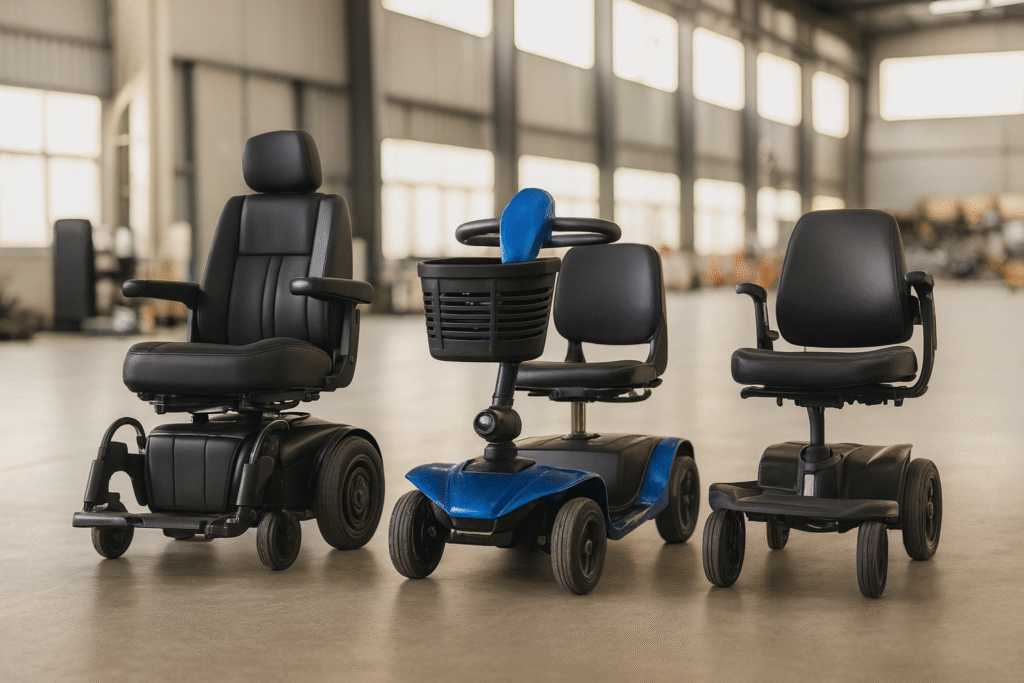
The Scope of Caregiver Burden
Caring for a loved one or patient with mobility limitations involves a wide range of tasks: helping with transfers, pushing a manual wheelchair, adjusting seating, preventing falls, and constant supervision. These responsibilities often lead to caregiver fatigue, stress, and even injury. According to research featured in Federici and Scherer’s handbook, assistive technology like electric wheelchairs can ease many of these burdens when correctly prescribed and used.
How Electric Wheelchairs Reduce Physical Demands
1. Eliminate Manual Pushing: Power mobility allows users to self-navigate, freeing caregivers from constant pushing — particularly important in hospitals, care homes, and urban settings with uneven terrain.
2. Reduce Need for Transfers: Electric wheelchairs with tilt and recline functions allow users to reposition themselves. This reduces the need for caregivers to physically lift or adjust the user for pressure relief or comfort.
3. Support in Daily Activities: Power chairs that elevate or tilt help users reach shelves, tables, or sinks independently. This minimizes the need for hands-on assistance during tasks like eating or brushing teeth.
Emotional and Psychological Relief
Caregivers often feel emotionally drained from managing someone else’s every move. Electric wheelchairs promote autonomy, which can improve user mood and confidence — and in turn, reduce emotional pressure on caregivers.
Family caregivers also report less guilt and stress when users can interact with the world on their own terms — shopping, joining family gatherings, or going outdoors without needing constant help.
Case Study Example
In one study cited in the Assistive Technology Assessment Handbook, families reported a 40% drop in perceived caregiver stress after users switched from manual to powered wheelchairs. They described feeling more like companions than nurses — shifting from physical labor to emotional support.
B2B Supplier Strategies: Messaging the Value
Suppliers can differentiate themselves by educating their partners on how their products ease the caregiver burden. Suggestions include:
- Highlighting independence-focused features in catalogs (e.g., self-tilt, elevation)
- Including caregiver impact in product demos or sales materials
- Sharing testimonials from families or nursing staff
- Partnering with rehab professionals to tailor the right model to user needs
Value for Facilities and Institutions
Hospitals, assisted living centers, and nursing homes benefit when staff workload decreases. Fewer lifting injuries, less staff burnout, and more efficient care routines translate into cost savings and better service. Supplying electric wheelchairs that promote user self-management is a win-win.
Post-Sale Support Matters
For electric wheelchairs to truly support caregivers, users must know how to use them effectively. B2B suppliers should provide:
- Easy training for both users and caregivers
- Quick-start guides with visuals
- Accessible troubleshooting support
This reinforces long-term product adoption and reduces abandonment.
Conclusion
Electric wheelchairs can transform not just the user’s experience — but the caregiver’s too. By reducing physical strain, offering emotional relief, and promoting user independence, these products deliver value far beyond movement.
For B2B suppliers, emphasizing caregiver impact is more than a marketing message — it’s a strategic differentiator that speaks directly to the realities faced by families and care providers every day. When you help one person move independently, you lighten the load for everyone around them.




 English
  Deutsch
  Dansk
Dansk  Nederlands
  Suomi
Suomi  Français
  Bahasa Indonesia
  Italiano
  日本語
日本語  한국어
한국어  Norsk bokmål
  Polski
  Português do Brasil
  Русский
  Español
  Svenska
  ไทย
ไทย  Türkçe
  Tiếng Việt