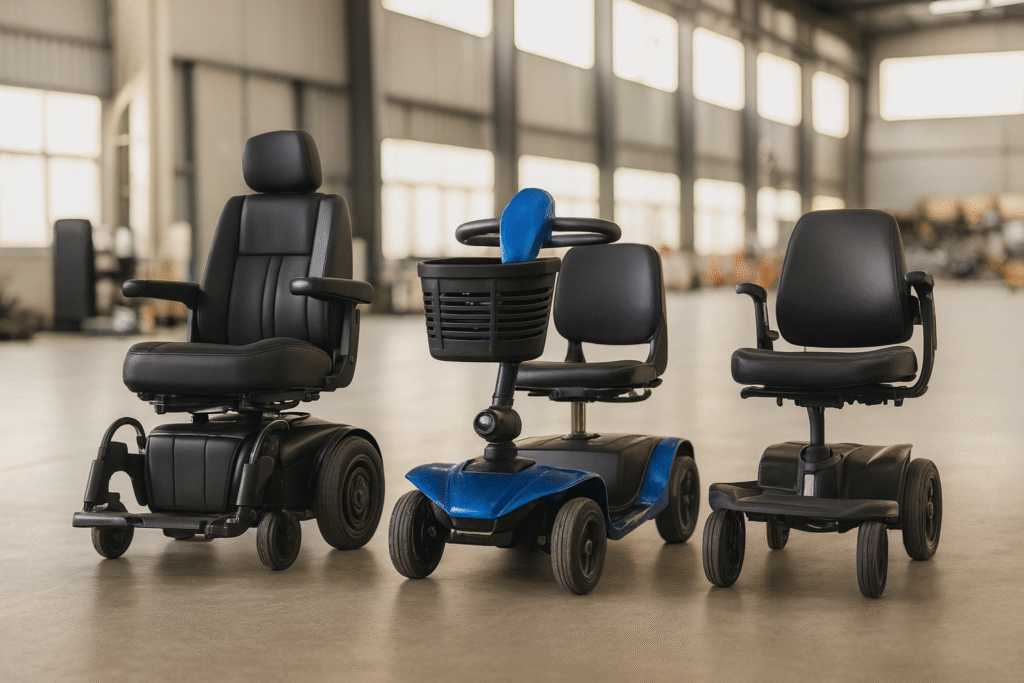
Australia Mobility Aid Market 2026: Import Guide for Scooter & Wheelchair Distributors
Quick Answer: Importing mobility scooters and wheelchairs into Australia requires ARTG registration through the TGA, compliance with AS/NZS standards, and appointment of a local Australian Sponsor. Most mobility aids enter at 0% customs duty with a 10% GST. Australia’s vast geography creates strong demand for long-range and all-terrain mobility products.
Last updated: August 2026
Australia represents one of the most promising yet under-served markets for mobility aid distributors. With a population of over 26 million spread across a continent roughly the size of the contiguous United States, and a rapidly aging demographic, the demand for mobility scooters and electric wheelchairs is accelerating. However, Australia’s regulatory framework—governed by the Therapeutic Goods Administration (TGA)—presents unique compliance hurdles that catch many international manufacturers off guard.
This guide walks distributors and importers through every critical step: from ARTG registration and AS/NZS standards compliance to import duties, trade show opportunities, and the market characteristics that shape product demand. Whether you are an established distributor looking to expand your product line or a manufacturer planning market entry, this comprehensive resource covers what you need to know.
Australia’s Mobility Aid Market: Size and Opportunity
Australia’s mobility aid market is driven by several converging factors. The country has one of the highest life expectancies in the world (83.5 years as of 2025), and approximately 16% of the population is aged 65 or older—a figure projected to reach 22% by 2040 (Australian Bureau of Statistics). The National Disability Insurance Scheme (NDIS), with an annual budget exceeding AUD 50 billion, funds mobility equipment for eligible participants, creating a substantial government-backed purchasing channel.
Key market characteristics include:
- Geographic dispersion: Australia’s population is concentrated in coastal cities, but rural and regional communities have disproportionately high demand for mobility aids due to limited public transport and greater travel distances
- Outdoor lifestyle culture: Australians expect mobility scooters to handle varied terrain—from urban footpaths to gravel paths and grassy parks—driving demand for all-terrain capable models
- NDIS funding: The scheme covers mobility scooters and electric wheelchairs for eligible participants, creating a structured procurement pathway with specific assessment and prescription requirements
- Aged care sector: Government-subsidized residential aged care facilities represent another significant B2B channel for bulk mobility equipment procurement
The combination of an aging population, robust government funding, and geographic factors makes Australia an attractive market for distributors who can navigate the regulatory landscape. For manufacturers looking to establish OEM/ODM partnerships, understanding these dynamics is essential—learn more about OEM/ODM service capabilities that align with Australian market requirements.
TGA and ARTG Registration: The Gateway to the Australian Market
The Therapeutic Goods Administration (TGA) regulates all therapeutic goods in Australia, including mobility scooters and wheelchairs classified as medical devices. Before any mobility aid can be legally supplied in Australia, it must be listed on the Australian Register of Therapeutic Goods (ARTG).
Classification and Risk Levels
Most mobility scooters and electric wheelchairs are classified as Class I medical devices under the TGA framework. This classification requires:
- Manufacturer self-assessment against the Essential Principles of safety and performance
- Pre-market conformity assessment demonstrating compliance with applicable standards
- Appointment of an Australian Sponsor—a local entity that holds the ARTG registration and serves as the regulatory contact point
- Technical documentation including design specifications, risk analysis, clinical evaluation, and post-market surveillance procedures
MDSAP Certification: A Strategic Advantage
The Medical Device Single Audit Programme (MDSAP) offers a streamlined path to Australian market entry. MDSAP is a single audit that satisfies requirements for Australia, the United States, Canada, Japan, and Brazil. Manufacturers with MDSAP certification benefit from:
- Faster TGA registration processing
- Reduced regulatory burden across multiple markets simultaneously
- Enhanced credibility with Australian distributors and procurement officers
- Improved compliance with quality management system requirements (ISO 13485)
Cost and Timeline
Based on industry data, TGA compliance for a Class I mobility device typically costs between AUD 5,000–15,000 and takes 3–6 months to complete (Mobility Frontiers). This includes sponsor fees, documentation preparation, and TGA review. For manufacturers holding MDSAP certification, the timeline can be shortened significantly.
Import Duties, Tariffs, and Customs Procedures
Customs Duty and GST
Mobility scooters and wheelchairs generally enter Australia at 0% customs duty when classified under HS code 8713 (carriages for disabled persons, whether or not motorized). However, importers must account for:
- Goods and Services Tax (GST): 10% applied to the customs value (product value + duty + international shipping and insurance)
- Customs processing fees: Typically AUD 50–200 per declaration
- Biosecurity inspection fees: The Department of Agriculture may inspect wooden packaging or used equipment
Documentation Requirements
Importers must prepare:
| Document | Purpose |
|---|---|
| Commercial Invoice | Declares product value, HS code, model numbers, battery specifications |
| Certificate of Origin | Determines preferential tariff treatment under FTAs |
| Packing List | Details container contents for customs inspection |
| ARTG Registration Certificate | Proves TGA compliance |
| Battery Test Reports (UN38.3) | Required for lithium battery shipments |
| Manufacturer’s Declaration | Confirms product meets Essential Principles |
Lithium Battery Shipping Compliance
All mobility scooters and wheelchairs with lithium batteries must comply with UN38.3 testing requirements for international transport. This applies to both air and sea freight. Manufacturers should provide:
- UN38.3 test summary and certificates
- Battery packaging compliant with IATA Dangerous Goods Regulations
- State-of-charge documentation (≤30% for air freight)
For a deeper understanding of battery compliance, including air travel regulations, see our guide on electric wheelchair battery regulations and air travel compliance.
AS/NZS Standards: Product Compliance Requirements
Australia and New Zealand maintain a joint standards system. For mobility aids, the following standards are most relevant:
AS/NZS 3695 Series — Wheelchairs
This series covers electric wheelchair requirements including:
- AS/NZS 3695.1: Double-wheelchairs and electric scooters—determination of static stability
- AS/NZS 3695.2: Wheelchairs—determination of dynamic stability of electric wheelchairs
- Compliance ensures products meet minimum safety thresholds for tipping stability, braking performance, and electromagnetic compatibility
AS/NZS 3696.19 — Transport Safety
This standard specifies design requirements for wheelchairs used as seats in motor vehicles, including crash testing at 48 km/h at 20g forces. Products meeting this standard carry significant market advantage, as many users transport their wheelchairs in modified vehicles (Indigo Institute).
AS 15194 — Mobility Scooter Vehicle Safety
New South Wales has implemented stricter requirements, fully banning uncertified electric mobility units from early 2026. Other states are expected to follow, making AS 15194 compliance increasingly critical for nationwide distribution (WMS Scooters).
Manufacturers seeking to verify compliance can review our quality certification overview to understand the full certification landscape.
Market Characteristics: What Australian Buyers Want
Long-Range and High-Capacity Batteries
Australia’s vast geography means users frequently travel longer distances than their European or Asian counterparts. Distributors report strong demand for:
- Mobility scooters with 30+ km range on a single charge
- Heavy-duty models supporting 150+ kg weight capacity
- Dual-battery configurations for extended outdoor use
- Fast-charging capabilities for commercial fleet applications
This contrasts with European markets where compact, portable models dominate. Australian buyers prioritize range and durability over portability.
All-Terrain and Outdoor Capability
Australia’s outdoor culture drives demand for mobility aids that perform on varied surfaces:
- Large pneumatic tires for grass, gravel, and uneven footpaths
- High ground clearance for navigating curb cuts and rural terrain
- Powerful motors (500W+) for incline climbing on hilly suburban streets
- Weather-resistant construction for Australia’s harsh UV and occasional heavy rainfall
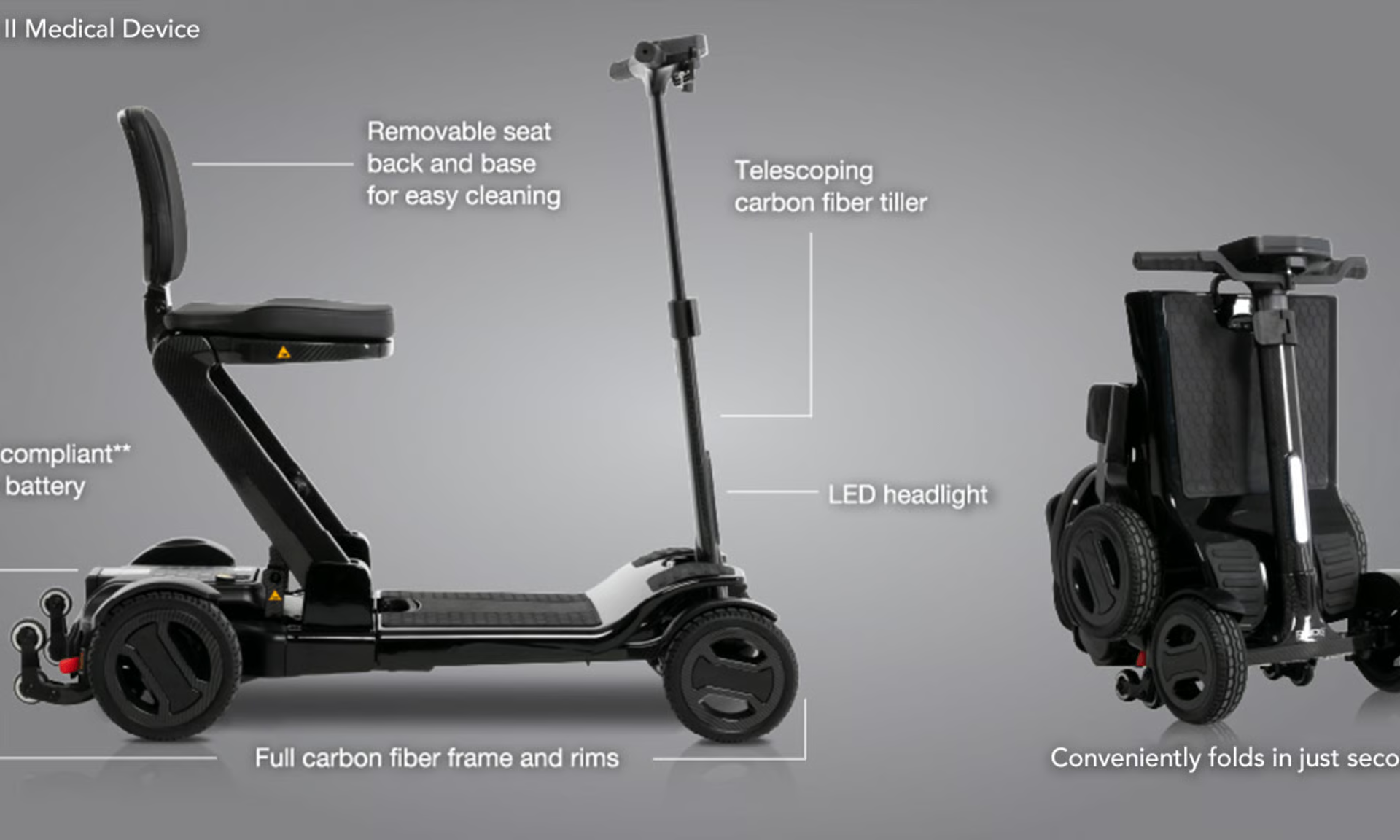
Distributors who stock all-terrain models alongside standard urban scooters capture both market segments. The Cooper mobility scooter and Maxwell mobility scooter are examples of products designed for this type of demanding environment.
State-by-State Registration Requirements
Mobility scooter registration varies by state in Australia:
| State | Registration Required | Speed Threshold | Fee |
|---|---|---|---|
| Queensland | Yes (free) | All motorized devices | Free |
| New South Wales | Recommended | 10 km/h on public roads | — |
| Victoria | No | — | — |
| Western Australia | Yes (>10 km/h) | Exceeds 10 km/h | AUD 46.20 |
| South Australia | Yes (>6 km/h) | Exceeds 6 km/h | AUD 31.10 |
Distributors should educate customers on their state’s specific requirements. These regulations also inform product specifications—scooters designed to stay under 6 km/h can avoid registration requirements in multiple states simultaneously.
Key Trade Shows and Industry Events
ATSA Independent Living Expo
The ATSA Independent Living Expo is Australia’s premier mobility and assistive technology trade show. Running since 2000, it is developed “by the industry, for the industry” and offers free entry to all visitors. The 2026 schedule includes:
- Adelaide: March 18–19, 2026 at Adelaide Showground
- Sydney: May 13–14, 2026 at Sydney Showground
- Brisbane: May 20–21, 2026 at Brisbane Convention and Exhibition Centre
- Melbourne: Typically held in October/November (dates TBC)
ATSA attracts a diverse audience including distributors, allied health professionals, aged care providers, NDIS participants, and government procurement officers. For international manufacturers, exhibiting at or attending ATSA is the single most effective way to build distributor relationships in Australia.
Why Attend ATSA?
- Product demonstration: Visitors can test-drive mobility scooters and wheelchairs on the exhibition floor
- Distributor networking: Most major Australian mobility distributors exhibit or attend
- Educational seminars: Free seminar program covers industry trends, regulatory updates, and clinical best practices
- Government engagement: NDIS and aged care representatives frequently attend
Manufacturers planning to exhibit should book stands well in advance—prime locations sell out quickly. For companies new to the Australian market, consider partnering with a local distributor who can co-exhibit. Learn more about becoming a distributor and the support available for market entry.
Building a Distribution Network in Australia
Selecting the Right Australian Sponsor
The Australian Sponsor is more than a regulatory formality—they are your strategic partner in the market. When evaluating potential sponsors, consider:
- Regulatory experience: Do they have a track record of successful ARTG registrations?
- Distribution infrastructure: Do they have warehousing, after-sales service, and spare parts capability?
- Market reach: Can they access both NDIS and aged care procurement channels?
- Post-market vigilance: Are they equipped to handle adverse event reporting and TGA communications?
NDIS and Aged Care Procurement
Two major government-funded channels drive B2B mobility equipment sales:
- NDIS: Participants receive funding for mobility equipment based on individual assessment plans. Suppliers must be registered NDIS providers, and products must meet specific quality and safety standards
- Aged Care: Government-subsidized residential aged care facilities procure mobility equipment through tender processes. Bulk purchasing contracts can represent significant volume for distributors
After-Sales Support Expectations
Australian consumers and institutions expect robust after-sales support, including:
- Local warranty service and spare parts availability
- Technician networks in major cities and regional centers
- Product training for allied health professionals who prescribe mobility aids
- Responsive customer service (Australian business hours)
These expectations make local partnership essential. Manufacturers who invest in comprehensive quality systems and provide strong technical documentation give their distributors a competitive edge.
Step-by-Step Import Checklist
For distributors preparing to import mobility scooters or wheelchairs into Australia, follow this checklist:
- Month 1–2: Appoint an Australian Sponsor; begin ARTG registration process
- Month 2–3: Verify product compliance with AS/NZS standards; obtain test reports
- Month 3–4: Prepare UN38.3 battery documentation; confirm HS code classification
- Month 4–5: Submit ARTG application to TGA; arrange freight forwarding
- Month 5–6: Receive ARTG registration; finalize import documentation
- Month 6: First shipment arrives; customs clearance and biosecurity inspection
- Ongoing: Maintain post-market surveillance; report adverse events to TGA
For manufacturers ready to begin this process, request a factory tour to verify production capabilities and quality systems before committing to a distribution partnership.
Conclusion
Australia’s mobility aid market offers significant opportunities for distributors and manufacturers who invest in regulatory compliance and understand the market’s unique characteristics. The combination of an aging population, robust NDIS funding, and geographic factors driving demand for long-range and all-terrain products makes this a market worth the effort of TGA registration and AS/NZS compliance.
The key to success is preparation: start the ARTG registration process early, partner with the right Australian Sponsor, and ensure your products meet the standards that Australian buyers expect. Trade shows like ATSA provide invaluable networking opportunities to connect with distributors and understand market needs firsthand.
Ready to source compliant mobility scooters and wheelchairs for the Australian market? Request a quote from 1000Mobility to explore our range of TGA-ready products with full certification support, or get wholesale pricing for bulk orders with OEM/ODM customization options.
— 1000Mobility Editorial Team
Interested in Wholesale Pricing?
Get OEM/ODM details, product specifications, and wholesale pricing within 24 hours.
Or send us a message directly:
 English
  Deutsch
  Français
  Español
  Italiano
  العربية
  Русский