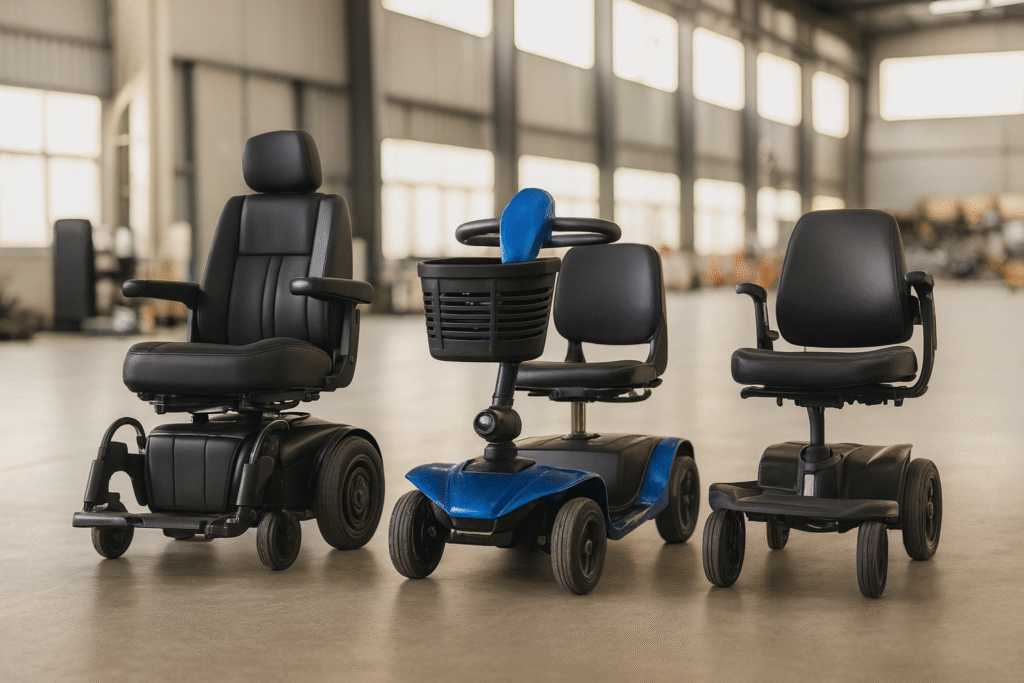
5 Benefits You’re Missing Without a Reclining Wheelchair
Quick Answer
The five key benefits of a reclining wheelchair are: (1) pressure sore prevention through weight redistribution, (2) improved circulation via leg elevation, (3) enhanced comfort for extended sitting, (4) easier transfers between bed and chair, and (5) critical head and neck support for users with limited postural control. For B2B buyers, reclining wheelchairs represent a high-value product category for long-term care facilities and home healthcare markets.
What is a Reclining Wheelchair?
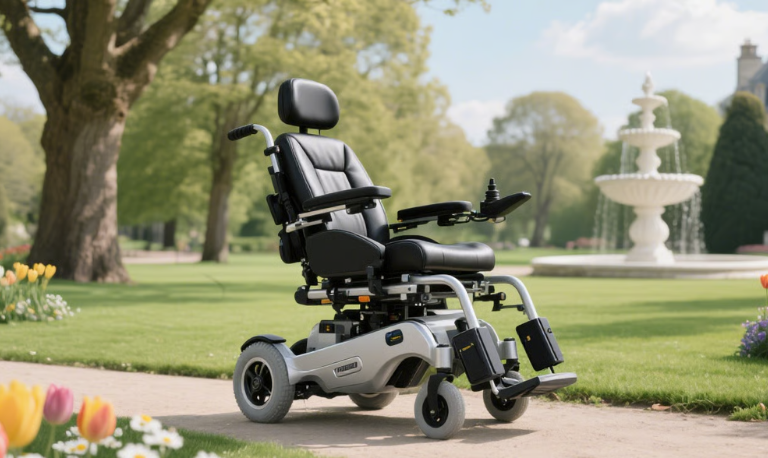
A reclining wheelchair is a type of mobility aid designed with a seat and backrest that can tilt backwards, similar to a reclining lounge chair. The main advantage of a reclining wheelchair is that the user can change positions without needing to get up. Depending on the model, the recline angle varies, with many allowing a full 180-degree recline for a completely flat position.
Some models also feature elevating leg rests or footrests, making them ideal for people with sore feet, swelling, or circulation issues. When combined with the reclining function, these wheelchairs allow the user to lie flat comfortably. Compared to a standard wheelchair, a reclining wheelchair offers more postural support and pressure relief, but is generally less mobile and often requires assistance from a caregiver to push.
Because many reclining wheelchairs have smaller rear wheels, they’re not as easy for users to self-propel. Instead, they’re designed for comfort, support, and medical positioning needs rather than independent mobility. This makes them essential equipment in nursing homes, rehabilitation centers, and home care settings.
Reclining Wheelchairs vs. Standard Wheelchairs
A standard wheelchair is easier to maneuver and is often self-propelled, allowing the user to move independently. However, it does not provide the reclining or tilting feature, which can be critical for people who need to relieve pressure, improve posture, or change positions frequently.
Reclining and tilt-in-space wheelchairs serve a different purpose:
- Reclining wheelchairs adjust the hip angle up to about 90 degrees or more, allowing the backrest to lower while the seat remains stationary. This is ideal for users who need to lie flat for medical reasons.
- Tilt wheelchairs tilt the entire seating system backward without changing the hip angle, offering postural stability and improved pressure redistribution. This maintains the user’s seated posture while shifting weight.
Some advanced mobility aids combine recline and tilt functions, helping with pressure sore prevention, head support, and neck stability for users with poor muscle control. These hybrid models are particularly valuable in clinical settings.
| Feature | Standard Wheelchair | Reclining Wheelchair | Tilt-in-Space Wheelchair |
|---|---|---|---|
| Backrest adjustment | Fixed | Up to 180° recline | Up to 45° tilt |
| Hip angle change | No | Yes | No |
| Pressure relief | Limited | Good | Excellent |
| Self-propulsion | Yes | Difficult | No |
| Typical use case | Daily mobility | Medical positioning | Long-term seating |
| Price range | $200–$800 | $500–$2,500 | $1,500–$5,000+ |
Why a Reclining Wheelchair Helps Prevent Pressure Sores
People who spend extended hours sitting or lying down are at high risk for pressure ulcers. A reclining wheelchair redistributes body weight, reducing pressure points and improving blood flow. The tilt and recline features make it possible to shift weight without straining, which is essential for long-term wheelchair users.
By adjusting positions throughout the day, users can:
- Prevent bedsores and decubitus ulcers
- Improve circulation and reduce edema in lower extremities
- Maintain healthy skin integrity
- Enhance overall comfort and quality of life
- Reduce the need for frequent transfers to bed
Clinical studies recommend repositioning every two hours for at-risk patients. A reclining wheelchair makes this protocol feasible without requiring a full transfer, saving caregiver time and reducing transfer-related injury risks.
Key Features to Look For in a Reclining Wheelchair
When choosing a reclining wheelchair, consider these important comfort and safety features:
- Elevating Leg Rests: Prevents discomfort when the back is fully reclined and improves circulation in the legs. Independent leg rests allow asymmetric positioning for users with differing leg conditions.
- Moveable or Flip-Back Armrests: Makes transfers easier and allows for better positioning when reclining. Removable armrests also facilitate side transfers to beds.
- Headrest Support: A must for users with limited neck control; enhances comfort during long periods of recline. Adjustable headrests accommodate different user heights and head sizes.
- Seat Cushioning: Opt for memory foam, gel, or high-density foam cushions for maximum comfort and pressure relief. Air-cell cushions offer the highest level of pressure distribution for at-risk users.
- Tilt Function: Adds versatility by allowing the whole chair to tilt, reducing pressure on the hips and tailbone. Combined tilt-and-recline systems offer the most comprehensive pressure management.
- Proper Seat Shape: A V-shaped or contoured seat reduces sliding and improves posture. Anti-slip upholstery materials prevent the user from sliding forward during recline.
- Anti-Tip Bars: Increases safety by preventing the wheelchair from tipping backwards during recline. Essential for user safety, especially when the chair is in a fully reclined position.
- Correct Wheelchair Size: Choose the right seat width and seat depth for the user’s body to ensure comfort and support. An improperly sized wheelchair can cause postural deformities and pressure sores over time.
- Battery System (for powered recliners): If the recline function is motorized, ensure reliable battery life and easy charging. Manual recline mechanisms are more affordable but require caregiver assistance.
Who Should Use a Reclining Wheelchair?
A reclining wheelchair is ideal for:
- Patients recovering from cardiac surgery or hip replacement surgery
- Individuals with orthostatic hypotension (low blood pressure upon standing)
- Users with general weakness who need frequent rest in a reclined position
- People requiring long-term wheelchair seating who are prone to pressure sores
- Those needing assistance with transfers and personal care tasks
- Patients with neurological conditions such as MS, ALS, or cerebral palsy who require postural support
- Elderly users in care facilities who spend extended periods in a wheelchair
Top 5 Benefits of a Reclining Wheelchair
- Pressure Relief and Sore Prevention – Distributes body weight across a larger surface area to prevent pressure ulcers. This is the single most important medical benefit, as pressure sores can lead to serious infections and extended hospital stays. Regular position changes throughout the day keep skin healthy and reduce healthcare costs associated with wound treatment.
- Improved Comfort for Extended Use – Supports long-term sitting without discomfort. Users who spend 8+ hours in a wheelchair benefit significantly from the ability to adjust their position. The recline function reduces muscle fatigue, prevents stiffness, and promotes better posture alignment.
- Easier and Safer Transfers – Simplifies moving from wheelchair to bed or other seating surfaces. By reclining the chair to a near-flat position, caregivers can perform sliding board transfers with minimal physical strain. This reduces the risk of caregiver back injuries and makes the transfer process more dignified for the user.
- Better Circulation and Reduced Swelling – Elevates legs to reduce swelling and improve blood flow. For users with edema, diabetes, or circulatory conditions, this feature is medically essential. Improved circulation also helps prevent deep vein thrombosis (DVT), a serious risk for sedentary individuals.
- Head and Neck Support for Postural Stability – Built-in headrests stabilize the head and protect the spine. For users with limited neck control due to neurological conditions, this prevents head drop and associated breathing difficulties. When combined with lateral trunk supports, a reclining wheelchair provides comprehensive postural management.
Things to Consider Before Buying a Reclining Wheelchair
- Test Before You Buy – Choose a brand that offers a trial or money-back guarantee. Users should sit in the chair for at least 30 minutes to assess comfort and fit.
- Match Features to Needs – Avoid overpaying for features you won’t use. A user who only needs occasional recline doesn’t need a full tilt-and-recline clinical model.
- Check Warranty & Service – Reliable after-sales service is essential for long-term use. Look for at least a 2-year frame warranty and readily available replacement parts.
- Caregiver Capability – If the user cannot self-propel, ensure the caregiver can comfortably push and maneuver the chair. Reclining wheelchairs are typically heavier than standard models.
- Transport and Storage – Consider how the chair will be transported. Some models fold for storage, while others require a dedicated vehicle lift.
B2B Procurement Guide: Sourcing Reclining Wheelchairs
For healthcare distributors, dealers, and institutional buyers, reclining wheelchairs represent a strategically important product category:
- Market Demand: The global reclining wheelchair market is driven by aging populations and increasing prevalence of mobility-impairing conditions. Long-term care facilities are the largest institutional buyers.
- Product Segmentation: Stock both manual recline (lower price point, $500–$1,200) and powered recline models ($1,500–$4,000+) to serve different facility budgets. Clinical-grade tilt-and-recline models command premium pricing.
- OEM Partnerships: Manufacturers like 1000Mobility offer customizable reclining wheelchair solutions with options for frame materials, cushion types, and recline mechanisms. Custom branding and packaging are available for volume orders.
- Regulatory Compliance: All reclining wheelchairs must meet ISO 13485, FDA 510(k), and CE marking requirements. Ensure your supplier provides complete documentation for institutional sales.
- After-Sales Service: Reclining mechanisms have more moving parts than standard wheelchairs. Partner with manufacturers who provide spare parts, repair guides, and technical support to minimize downtime.
- Reimbursement Landscape: In many markets, reclining wheelchairs qualify for insurance reimbursement when prescribed for medical necessity. Understanding local reimbursement codes helps dealers position products effectively.
Frequently Asked Questions
What is the difference between a reclining wheelchair and a tilt-in-space wheelchair?
A reclining wheelchair lowers the backrest while keeping the seat stationary, changing the hip angle. A tilt-in-space wheelchair tilts the entire seating unit backward as one unit, maintaining the hip angle. Tilt-in-space is generally better for pressure redistribution, while recline is better for users who need to lie flat for medical procedures or rest. Many premium models combine both functions.
Can a user self-propel in a reclining wheelchair?
Most reclining wheelchairs are not designed for self-propulsion. They typically have smaller rear wheels and are intended to be pushed by a caregiver. However, some models feature larger rear wheels with handrims for limited self-propulsion. If independent mobility is a priority, consider a powered reclining wheelchair with joystick control.
How often should a user change position in a reclining wheelchair?
Clinical guidelines recommend repositioning every two hours for users at risk of pressure sores. A reclining wheelchair makes this easier by allowing position changes without full transfers. Caregivers should alternate between upright, partially reclined, and fully reclined positions throughout the day. Pressure mapping can help determine optimal positioning schedules for individual users.
Are reclining wheelchairs covered by insurance?
In many countries, reclining wheelchairs are eligible for insurance coverage when medically necessary. In the US, Medicare may cover reclining wheelchairs under specific criteria, including the need for pressure relief or positioning that cannot be achieved with a standard wheelchair. Always verify coverage with the specific insurance provider and ensure proper documentation from a healthcare professional.
What is the weight capacity of a typical reclining wheelchair?
Standard reclining wheelchairs support 250–300 lbs. Bariatric reclining models can accommodate up to 450–700 lbs. When sourcing for institutional use, consider stocking both standard and bariatric options to serve diverse patient populations. Bariatric models require reinforced frames and heavier-duty recline mechanisms.
Bottom Line
A reclining wheelchair offers unmatched comfort, pressure relief, and postural support for users who spend extended hours seated. While they are more expensive than standard models and less suited for independent mobility, they are an excellent choice for people who require therapeutic positioning and full-time seating comfort.
When selecting one, focus on fit, comfort, and key features rather than unnecessary extras. The right reclining wheelchair can significantly improve quality of life for long-term users and reduce the burden on caregivers.
Written by the 1000Mobility Editorial Team. For wholesale inquiries and B2B partnerships, visit our contact page.
Related Products
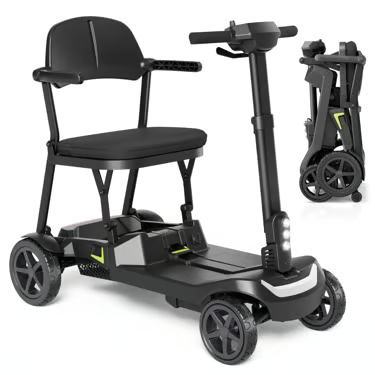
Riley Foldable Mobility Scooter
Riley—safe, comfortable scooter with extended range, ideal for seniors’ everyday indoor and outdoor mobility.
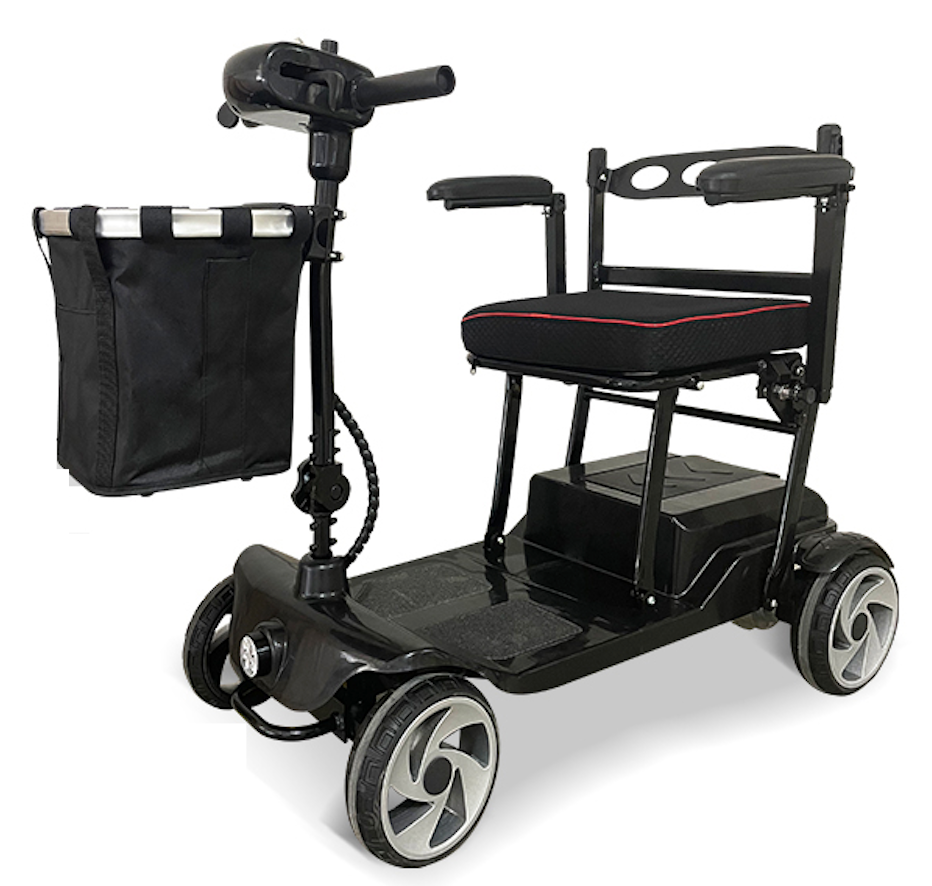
TOBY
Foldable travel Mobility scooter with sleek black frame and front light—designed for portability, urban use, and easy storage.

Zippy Folding Electric Scooter
Zippy—compact, lightweight, and easy-fold scooter built for daily use, travel, and smooth urban mobility.
Interested in Wholesale Pricing?
Get OEM/ODM details, product specifications, and wholesale pricing within 24 hours.
Or send us a message directly:
 English
  Deutsch
  Français
  Español
  Italiano
  العربية
  Русский