FDA 510(k) vs CE MDR: Wheelchair Regulatory Pathways Compared for B2B Exporters
Quick Answer
FDA 510(k) clearance and CE MDR certification are the two primary regulatory pathways for wheelchair exports to the US and EU markets. FDA 510(k) requires demonstrating substantial equivalence to a predicate device, costing $30,000–$80,000 over 3–12 months. CE MDR under Regulation 2017/745 requires Notified Body conformity assessment, costing €15,000–€50,000 over 12–18 months. Key differences: FDA focuses on device equivalence, CE focuses on risk classification and clinical evaluation. Both require ISO 13485:2016 QMS. Powered wheelchairs need both; manual wheelchairs are FDA-exempt but require CE.
Last updated: December 2026
By David Chen, Director of B2B Operations
What Is FDA 510(k) Clearance for Wheelchairs?
FDA 510(k) is a premarket notification demonstrating that a medical device is “substantially equivalent” to a legally marketed predicate device. For wheelchairs, the classification depends on the type:
Manual wheelchairs (21 CFR 890.3860) are Class I devices and are generally 510(k)-exempt. Manufacturers must still register their facility with FDA, list their products, and comply with Quality System Regulation (QMSR, aligned with ISO 13485 since February 2026). No premarket notification is required.
Powered wheelchairs (21 CFR 890.3880) are Class II devices requiring 510(k) clearance. The submission must include: device description, substantial equivalence comparison to a predicate, performance testing data (ISO 7176 series), biocompatibility data for patient-contact materials, electromagnetic compatibility (EMC) testing per IEC 60601-1-2, software documentation (if applicable), and labeling.
510(k) Process Timeline and Cost:
| Component | Timeline | Cost |
|---|---|---|
| Device testing (ISO 7176, EMC) | 2–4 months | $15,000–$35,000 |
| Submission preparation | 1–2 months | $5,000–$15,000 |
| FDA review (510(k)) | 3–6 months (SE reviews) | $4,000–$12,000 |
| Total | 6–12 months | $24,000–$62,000 |
Source: FDA 510(k) database; regulatory consulting fee ranges, December 2026
What Is CE MDR Certification for Wheelchairs?
CE MDR (Medical Device Regulation 2017/745) is the EU regulatory framework for medical devices. Wheelchairs are classified as Class I medical devices under MDR Rule 13 (devices in direct contact with the body). Class I devices can self-declare conformity, but most wheelchair manufacturers use a Notified Body for CE marking to enable commercial distribution.
CE MDR Requirements:
- Quality Management System — ISO 13485:2016 certification by an EU-recognized Notified Body
- Technical Documentation — Device description, risk analysis per ISO 14971, clinical evaluation per MDR Annex XIV, post-market surveillance plan
- Conformity Assessment — Notified Body audit of QMS and technical file review
- EU Declaration of Conformity — Manufacturer’s declaration of compliance with MDR
- CE Marking — Applied to device, packaging, and instructions for use
- UDI (Unique Device Identification) — Required on packaging since 2023 for Class I devices
CE MDR Process Timeline and Cost:
| Component | Timeline | Cost |
|---|---|---|
| ISO 13485 certification | 3–6 months | $10,000–$25,000 |
| Technical file preparation | 2–4 months | $5,000–$15,000 |
| Notified Body review + audit | 6–12 months | $15,000–$40,000 |
| UDI implementation | 1–2 months | $2,000–$5,000 |
| Total | 12–18 months | €15,000–€50,000+ |
What Are the Key Differences Between FDA 510(k) and CE MDR?
| Aspect | FDA 510(k) | CE MDR |
|---|---|---|
| Regulatory basis | 21 CFR 890 (Class I/II) | Regulation 2017/745 |
| Classification | Manual: Class I (exempt), Powered: Class II | Class I (Rule 13) |
| Core approach | Substantial equivalence to predicate | Risk classification + clinical evaluation |
| QMS requirement | QMSR (= ISO 13485 since Feb 2026) | ISO 13485:2016 |
| Notified Body required? | No (self-submission to FDA) | Yes (for commercial CE marking) |
| Clinical data required | Performance testing only | Clinical evaluation per MDR Annex XIV |
| Post-market requirements | Medical Device Reporting (MDR) | Post-Market Surveillance (PMS) + PMCF |
| UDI required? | Yes (compliance phased) | Yes (Class I since 2023) |
| Typical timeline | 6–12 months | 12–18 months |
| Typical cost | $24,000–$62,000 | €15,000–€50,000+ |
| Market access | United States | EU 27 + EEA |
Which Wheelchair Types Need Which Certification?
The certification matrix depends on product type and target market:
| Product Type | US Market | EU Market |
|---|---|---|
| Manual wheelchair | FDA-exempt (Class I); register + list only | CE MDR Class I; Notified Body recommended |
| Powered wheelchair | 510(k) required (Class II) | CE MDR Class I; Notified Body required |
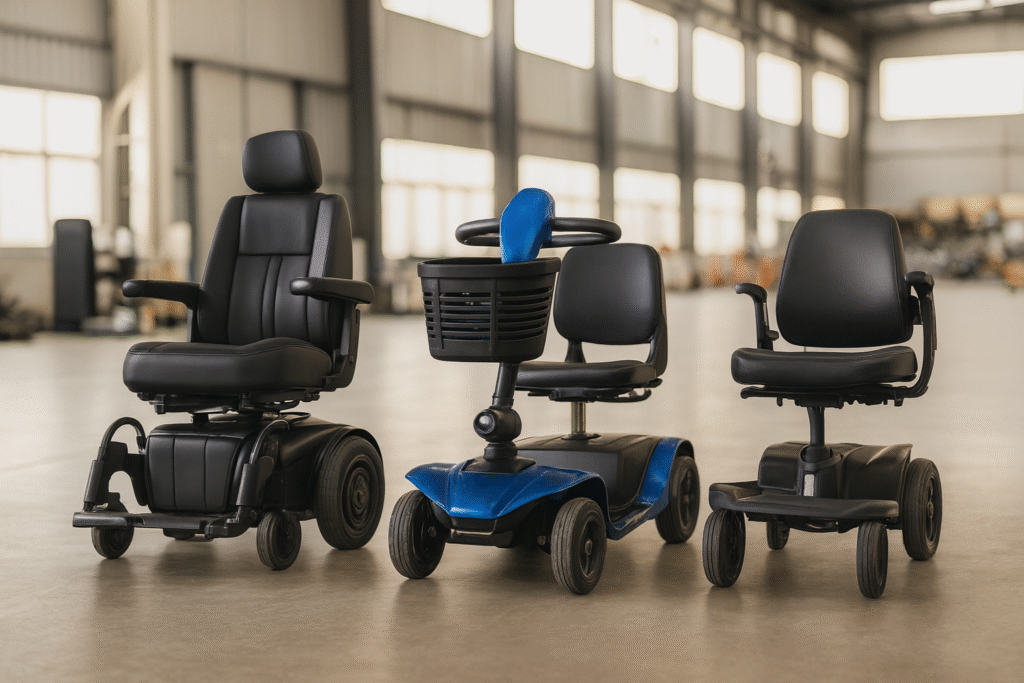
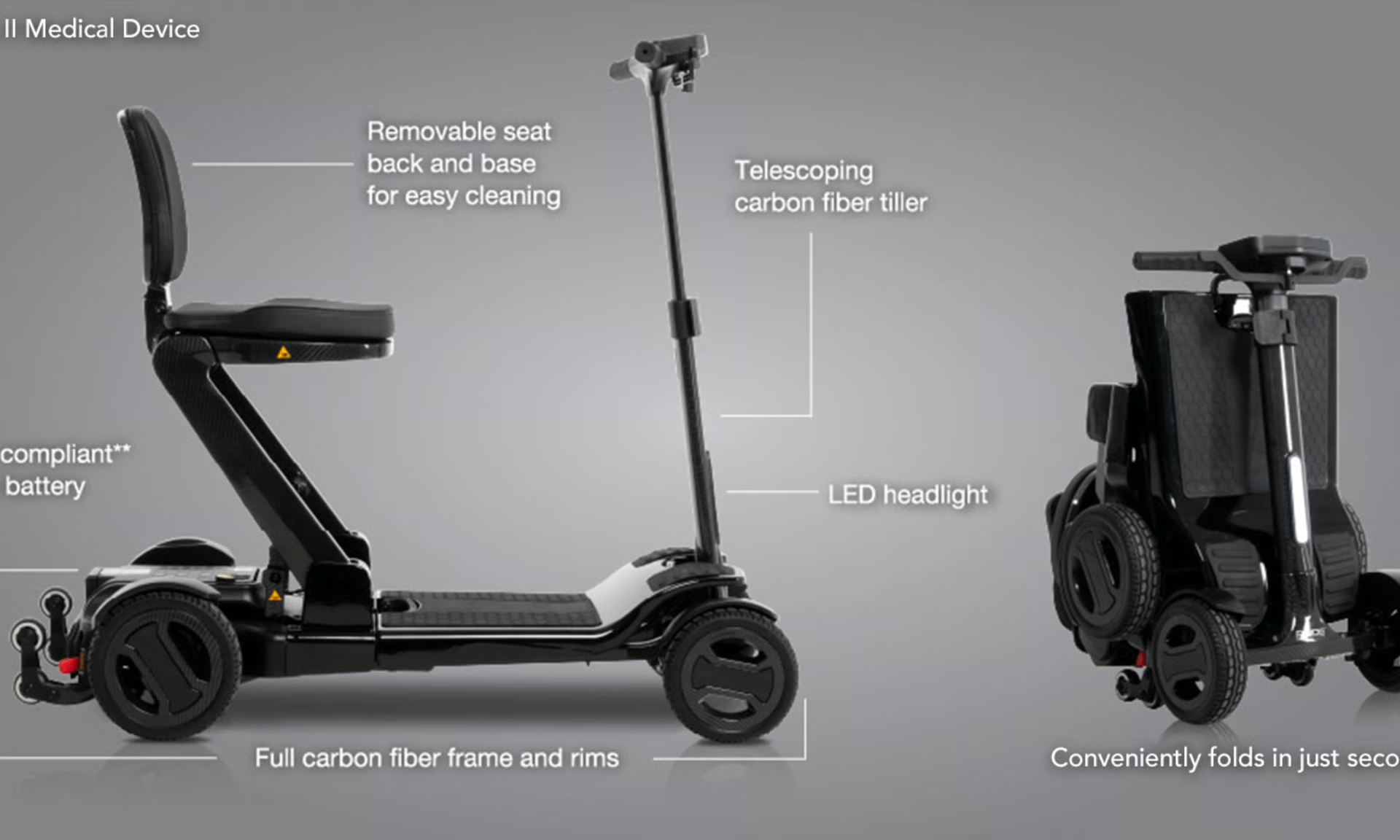
| Mobility scooter | FDA-exempt or 510(k) depending on classification | CE MDR Class I |
| Rollator/walker | FDA-exempt (Class I) | CE MDR Class I |
| Carbon fiber wheelchair | Same as manual/powered by type | CE MDR Class I |
For quality certification verification, always check that the certificate scope explicitly includes the product type you plan to distribute.
How Does ISO 13485 Relate to Both Pathways?
Since FDA QMSR took effect on February 2, 2026, ISO 13485:2016 is now the unified QMS requirement for both US and EU markets. This harmonization simplified compliance for manufacturers:
- Before QMSR: Manufacturers needed separate 21 CFR 820 compliance (US) and ISO 13485 certification (EU)
- After QMSR: ISO 13485 certification satisfies both US QMSR and EU MDR QMS requirements
However, ISO 13485 certification alone does not grant market access. Manufacturers still need 510(k) clearance (US) and CE marking (EU) for powered wheelchairs. For manual wheelchairs, ISO 13485 + facility registration is sufficient for the US, while CE marking is needed for the EU.
Verify ISO 13485 certificates at IAF CertSearch and confirm the scope includes wheelchairs. See our manufacturer evaluation framework for a complete certification checklist.
What Are Common Compliance Pitfalls?
1. Predicate device discontinuation (FDA): If your 510(k) predicate device is recalled or discontinued, your clearance may be affected. Monitor FDA recalls and maintain backup predicate options.
2. MDR transition gap (EU): Manufacturers with MDD certificates must transition to MDR before their MDD certificate expires. By December 2027, all MDD certificates become invalid. Start transition 18 months before expiry.
3. Software as medical device (SaMD): Wheelchair control software may trigger additional 510(k) requirements (FDA) or higher MDR classification (EU). Document software architecture per IEC 62304.
4. Labeling non-compliance: FDA requires English labeling; EU requires labeling in the member state’s official language. Plan multi-language labeling during product development, not after.
5. Post-market surveillance gaps: Both FDA (MDR reporting) and CE MDR (PMS plan) require active post-market monitoring. Failure to maintain PMS data can result in CE certificate suspension.
FAQ
Does a manual wheelchair need FDA 510(k) clearance?
No. Manual wheelchairs are FDA Class I devices and are 510(k)-exempt. Manufacturers must register their facility with FDA, list the product, and comply with QMSR (ISO 13485:2016). No premarket notification is required. However, powered wheelchairs (Class II) do require 510(k) clearance with performance testing data.
How long does CE MDR certification take for wheelchairs?
CE MDR certification typically takes 12–18 months, including ISO 13485 certification (3–6 months), technical file preparation (2–4 months), and Notified Body review + audit (6–12 months). Notified Body capacity constraints are the main bottleneck. Start the process at least 18 months before your target EU market entry date. Total cost ranges €15,000–€50,000+.
Can I use the same ISO 13485 certificate for both FDA and CE?
Yes, since FDA QMSR (effective February 2026) aligned US requirements with ISO 13485:2016, a single ISO 13485 certificate from an IAF-accredited body satisfies both US QMSR and EU MDR QMS requirements. Verify the certificate scope includes wheelchairs. However, ISO 13485 alone does not replace 510(k) clearance (US) or CE marking (EU) — those are separate regulatory steps.
What is the difference between 510(k) and CE MDR for powered wheelchairs?
FDA 510(k) requires demonstrating substantial equivalence to a predicate device with performance testing data (ISO 7176, EMC). CE MDR requires risk classification, clinical evaluation, and Notified Body conformity assessment. 510(k) is self-submitted to FDA (3–6 month review). CE MDR requires Notified Body involvement (6–12 month audit). Costs are similar ($24,000–$62,000 vs €15,000–€50,000), but timelines differ (6–12 months vs 12–18 months).
How much does regulatory compliance cost for wheelchair manufacturers?
Combined FDA 510(k) + CE MDR compliance for powered wheelchairs costs $40,000–$100,000+ over 12–18 months. Manual wheelchairs cost less (FDA-exempt, only CE MDR needed at €15,000–€50,000). Ongoing annual costs include ISO 13485 surveillance audits ($5,000–$10,000/year), FDA registration ($5,000+/year), and post-market surveillance activities. Budget 3–5% of annual revenue for regulatory compliance maintenance. See our certification portfolio for reference.
Conclusion
FDA 510(k) and CE MDR are complementary, not competing, regulatory pathways. For global market access, manufacturers need both: 510(k) for the US market and CE marking for the EU. The February 2026 QMSR harmonization simplified QMS compliance (single ISO 13485 certification), but device-specific requirements (substantial equivalence vs clinical evaluation) remain separate processes. B2B distributors should verify that their manufacturer holds current certifications for target markets before placing orders. For regulatory compliance support and OEM/ODM partnerships, contact our team to discuss your market entry strategy.
Interested in Wholesale Pricing?
Get OEM/ODM details, product specifications, and wholesale pricing within 24 hours.
Or send us a message directly:
 English
 Deutsch
 Français
 Español
 Italiano
 العربية
 Русский