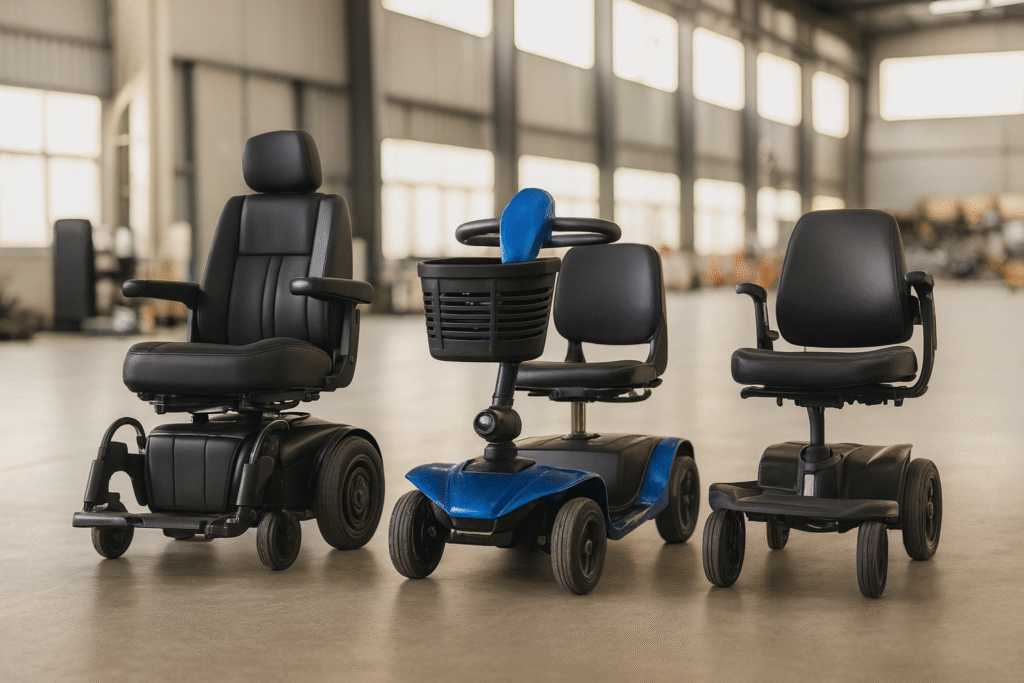
All-Terrain & Outdoor Electric Wheelchair Sourcing Guide for Distributors
Quick Answer: The global all-terrain wheelchair market is projected to reach USD 669 million by 2032, growing at 6.1% CAGR, with global production reaching approximately 54,000 units in 2025. For B2B distributors, sourcing success hinges on understanding technical requirements – high-torque motors, reinforced suspension systems, large-diameter wheels, and ruggedised frames – alongside target market dynamics in Australia, North America, and Europe, where outdoor recreation culture drives premium pricing and strong margins.
All-Terrain Wheelchair Market Size and Growth
The all-terrain wheelchair market represents a specialised but rapidly expanding segment within the broader mobility equipment industry. According to Global Info Research, the global all-terrain wheelchair market is expected to reach USD 669 million by 2032, growing at a CAGR of 6.1% during the forecast period 2026–2032. In 2025, global production reached approximately 54,000 units, with an average market price ranging from USD 1,000 to USD 20,000 per unit depending on specification and technology.
The electric all-terrain wheelchair sub-segment is growing even faster, driven by advances in battery technology, motor efficiency, and consumer demand for independent outdoor mobility. Industry reports project the electric all-terrain wheelchair market could reach USD 1.47 billion by 2031, reflecting broader adoption beyond the traditional niche of outdoor enthusiasts to include aging populations seeking active lifestyles.
Key market drivers include:
- Aging outdoor enthusiasts: Baby boomers who refuse to let mobility limitations end their hiking, fishing, and camping activities
- Accessible tourism growth: Governments and tourism operators investing in inclusive outdoor infrastructure
- Military veteran programmes: Government-funded procurement of all-terrain mobility devices for injured veterans
- National park accessibility mandates: Legislation requiring improved trail accessibility driving institutional procurement
- Technology cost reduction: Advancements in e-bike motors and lithium batteries making all-terrain power systems more affordable
The industry’s average gross profit margin of 35–55% makes all-terrain wheelchairs one of the most profitable segments for distributors, significantly outperforming standard wheelchair categories. For broader market context, see our analysis of wheelchair technology trends.
Technical Requirements for All-Terrain Electric Wheelchairs
All-terrain wheelchairs differ fundamentally from conventional electric wheelchairs. They are engineered specifically for challenging outdoor environments — grass, gravel, sand, mud, snow, and uneven trails — requiring substantially enhanced mechanical and electrical systems.
High-Power Motor Systems
The single most critical technical specification for all-terrain wheelchairs is motor power. Standard electric wheelchairs typically use 200–250W motors per wheel, which are inadequate for outdoor terrain. All-terrain models require:
| Motor Specification | Standard Wheelchair | Entry All-Terrain | Premium All-Terrain |
|---|---|---|---|
| Motor power (per wheel) | 200–250W | 400–500W | 600–800W+ |
| Motor type | Brushed DC | Brushless DC | Brushless DC with gearbox |
| Torque output | 15–25 Nm | 35–50 Nm | 60–100 Nm |
| Drive configuration | 2WD (rear) | 2WD or 4WD | 4WD or tracked |
| Climbing capacity | 6–8° | 12–15° | 20–30°+ |
Brushless DC motors are standard in all-terrain applications due to their higher efficiency, longer lifespan, and better heat dissipation. Premium models increasingly use planetary gear reduction systems to multiply torque while maintaining compact motor size.
Suspension Systems
Effective suspension is essential for outdoor terrain, protecting both the user from vibration injury and the equipment from structural damage. Key suspension technologies include:
- Independent coil-spring suspension: Each wheel has an independent spring-damper unit, providing the best terrain articulation. Typical travel range: 50–100 mm.
- Hydraulic shock absorbers: Used in premium models for superior damping on rough terrain. Often paired with adjustable preload settings for different user weights.
- Air suspension: The newest technology, offering adjustable stiffness based on terrain and load. More expensive but provides superior comfort on extended outdoor use.
- Rigid frame with compliant tyres: Budget approach using large, low-pressure pneumatic tyres to absorb impacts without dedicated suspension components.
Large-Diameter Wheels and Tyres
Wheel specification is perhaps the most visible differentiator of all-terrain wheelchairs:
- Wheel diameter: 20–26 inch (vs. 12–14 inch standard), providing better obstacle clearance and reduced rolling resistance on soft surfaces
- Tyre width: 4–8 inches (vs. 1.5–2.5 inch standard), distributing weight over larger contact area to prevent sinking in sand, mud, or snow
- Tyre type: Pneumatic (air-filled) for maximum shock absorption and traction; solid foam-fill for puncture resistance in thorny environments
- Tread pattern: Aggressive knobby tread for off-road grip; directional tread for mixed on-road/off-road use
- Materiale: Rubber compound optimised for temperature range of target market (soft compound for cold climates, hard compound for hot climates)
Frame Construction and Materials
All-terrain wheelchair frames must withstand significantly higher stresses than standard models:
- Steel frames: Traditional choice for maximum durability; typical weight 45–70 kg. Preferred for rental fleets and institutional use.
- Aluminium alloy frames: Balance of strength and weight; typical weight 30–50 kg. Most popular for consumer market.
- Carbon fiber frames: Premium lightweight option; typical weight 20–35 kg. Growing market segment targeting active users willing to pay premium pricing.
- Titanium frames: Ultra-premium niche; exceptional strength-to-weight ratio but very high cost (USD 5,000–15,000+)
For distributors interested in carbon fiber technology, our carbon fiber technology page explains manufacturing processes and certification requirements in detail.
Target Markets and User Personas
Australia: The Outdoor Lifestyle Market
Australia represents one of the strongest markets for all-terrain wheelchairs, driven by:
- Outdoor culture: 60%+ of Australians participate in outdoor recreation activities regularly
- Disability support: The National Disability Insurance Scheme (NDIS) provides funding for assistive technology, including all-terrain wheelchairs for eligible participants
- Beach accessibility: Australian councils have invested heavily in beach wheelchair programmes, creating institutional procurement demand
- Climate suitability: Year-round outdoor activity in most regions supports continuous demand
Australian distributors typically favour models with:
- Corrosion resistance (marine-grade stainless steel hardware)
- UV-stabilised plastics and seat materials
- Sand-capable wide tyres (6+ inch width)
- Battery cooling systems for high-temperature operation
North America: The Premium Adventure Market
The United States and Canada represent the largest market for all-terrain wheelchairs by value, with characteristics including:
- Strong purchasing power: Average selling prices 30–50% higher than other markets
- Veterans Affairs procurement: The VA is a major institutional buyer of all-terrain mobility devices
- National park accessibility: Federal mandates requiring trail accessibility improvements
- Hunting and fishing culture: Significant demand from outdoor sports enthusiasts with mobility limitations
- Insurance coverage: Some private insurance plans cover all-terrain devices when medically justified
North American distributors should focus on:
- Models with FDA compliance or 510(k) clearance where applicable
- ANSI/RESNA standards compliance
- Higher load capacity models (150+ kg) reflecting population demographics
- Cold-weather battery performance for Canadian markets
Europe: The Accessible Tourism Market
European demand is driven by accessible tourism initiatives and rehabilitation infrastructure:
- EU Accessibility Act: Legislation mandating improved accessibility in tourism infrastructure
- Nordic outdoor culture: Strong demand in Sweden, Norway, and Finland for outdoor activity participation
- Rehabilitation centres: Approximately 40% of all-terrain wheelchair procurement serves rehabilitation programmes
- Beach accessibility programmes: Mediterranean countries (Spain, Italy, Greece) investing in beach wheelchair availability
OEM Customisation for All-Terrain Wheelchairs
Key Customisation Parameters
For distributors building private-label all-terrain wheelchair brands, the following customisation options are typically available:
Performance customisation:
- Motor power selection (400W, 500W, 600W, 800W per wheel)
- Battery capacity (20Ah, 40Ah, 60Ah, 80Ah+ options)
- Controller programming (speed limits, acceleration curves, terrain modes)
- Gear ratio selection (torque-optimised vs. speed-optimised)
Physical customisation:
- Frame colour and finish (powder coating options, camouflage patterns)
- Seat dimensions and material (waterproof, breathable, heated options)
- Wheel and tyre specifications (diameter, width, tread pattern)
- Armrest design and controller mounting position
- Lighting packages (LED headlights, taillights, turn signals)
- Storage accessories (baskets, racks, fishing rod holders)
Software customisation:
- Multi-language controller interfaces
- Bluetooth connectivity for smartphone app integration
- GPS tracking and route recording
- Diagnostic and maintenance alert systems
MOQ and Lead Time Expectations
| Customisation Level | MOQ | Lead Time | Price Premium |
|---|---|---|---|
| Standard catalogue product | 1–5 units | 30–45 days | Base price |
| Branding only (logo, packaging) | 10–20 units | 45–60 days | +5–10% |
| Partial ODM (colours, seat, tyres) | 20–30 units | 60–75 days | +10–20% |
| Full OEM (custom frame, electronics) | 50–100 units | 90–120 days | +20–40% |
For detailed OEM/ODM capabilities, visit our OEM/ODM services page for specification sheets and customisation workflows.
Competitive Landscape: Key Manufacturers
The all-terrain wheelchair manufacturing landscape includes both specialised niche players and diversified medical equipment manufacturers:
Premium Western Manufacturers
- Magic Mobility (Australia): Pioneer in all-terrain power wheelchairs with the Frontier V6 model; strong brand in Australian and North American markets
- TerrainHopper (UK): British manufacturer of 4WD all-terrain powerchairs; focuses on premium outdoor adventure market
- Mountain Trike (UK): Lever-drive all-terrain wheelchair specialist; unique mechanical drive system
- PARAVAN (Germany): Premium manufacturer; PR 4X model offers all-wheel drive with four motors and large all-terrain tyres
- GRIT (USA): Lever-powered all-terrain wheelchair designed for developing markets; social enterprise model
Chinese Manufacturers
Chinese manufacturers are increasingly competitive in the all-terrain segment, offering:
- Guangzhou Topmedi: Steel-frame all-terrain models from USD 1,000–1,250; established export experience
- Baichen Medical Devices: Off-road electric wheelchairs with FDA 510(k) and ISO certifications; OEM/ODM capable
- Iyasocare: Dedicated off-road wheelchair line with multiple controller options; CE and ISO 13485 certified
- Paiseec: Lightweight folding all-terrain models under 20 kg; targeting travel and adventure segment
For B2B buyers evaluating manufacturers, our why choose us page outlines the quality control and certification standards that distinguish reliable manufacturing partners.
Safety Standards and Certification Requirements
All-terrain wheelchairs face unique safety challenges compared to standard electric wheelchairs, requiring specialised testing and certification:
ISO and EN Standards
- ISO 7176-1: Wheelchair determination of static stability (critical for slope operation)
- ISO 7176-2: Dynamic stability testing (evaluates tip-over risk during acceleration and braking on slopes)
- ISO 7176-4: Energy consumption of electric wheelchairs (important for battery range claims on outdoor terrain)
- ISO 7176-8: Requirements and test methods for static, impact, and fatigue strengths
- BS EN 12184: Electrically powered wheelchairs, scooters, and their chargers — requirements and test methods
Market-Specific Certifications
- European Union: CE marking under Medical Device Regulation (MDR) 2017/745
- United Kingdom: UKCA marking (mandatory since January 2026)
- United States: FDA classification; most all-terrain power wheelchairs are Class II devices requiring 510(k) clearance
- Australia: TGA registration on the Australian Register of Therapeutic Goods (ARTG)
- Canada: Health Canada Medical Device Licence
Additional Safety Features to Verify
When sourcing all-terrain wheelchairs, distributors should verify the presence of:
- Anti-tip wheels (mandatory for slope operation)
- Electromagnetic braking system (failsafe — engages on power loss)
- Seat belt and harness systems (4-point or 5-point)
- Speed limiting on inclines (automatic speed reduction on slopes)
- Low battery warning and automatic return-to-level function
- Emergency stop button accessible to both user and caregiver
Pricing and Margin Analysis
All-terrain wheelchairs offer some of the highest distributor margins in the mobility equipment industry:
| Product Tier | FOB Price (USD) | Retail Price (USD) | Distributor Margin |
|---|---|---|---|
| Entry-level (2WD, steel) | 800–1,500 | 2,000–4,000 | 45–55% |
| Mid-range (4WD, aluminium) | 2,000–4,000 | 5,000–10,000 | 40–50% |
| Premium (4WD, carbon fiber) | 4,000–8,000 | 10,000–20,000 | 40–50% |
| Ultra-premium (tracked, titanium) | 8,000–15,000 | 20,000–40,000+ | 45–55% |
The industry’s average gross profit margin of 35–55% reflects the specialised nature of the product, limited competition in premium segments, and the willingness of outdoor enthusiasts to invest in quality equipment.
FAQ
What makes a wheelchair “all-terrain”?
An all-terrain wheelchair is specifically engineered for outdoor environments including grass, gravel, sand, mud, snow, and uneven trails. Key differentiating features include high-power motors (400W+ per wheel), large-diameter wheels (20–26 inch) with wide pneumatic tyres (4–8 inch width), reinforced suspension systems, and ruggedised frames with high ground clearance. These specifications enable navigation of surfaces and slopes that standard electric wheelchairs cannot handle.
What is the typical battery range for all-terrain electric wheelchairs?
Battery range varies significantly based on terrain, motor power, and battery capacity. Entry-level models typically achieve 10–15 miles on flat terrain, dropping to 5–8 miles on rough outdoor surfaces. Mid-range models offer 15–25 miles range, while premium models with large battery packs (60–80Ah) can achieve 25–40+ miles. Distributors should note that real-world outdoor range is typically 40–60% of manufacturer claims due to terrain resistance, incline operation, and temperature effects.
What is the minimum order quantity for OEM all-terrain wheelchairs?
MOQs vary by customisation level: standard catalogue products can be ordered in quantities of 1–5 units for evaluation; branding-only customisation typically requires 10–20 units; partial ODM customisation requires 20–30 units; and full OEM custom development requires 50–100+ units. Many Chinese manufacturers offer flexible MOQs for new distributor relationships, with options to scale up as the partnership develops.
Which markets have the highest demand for all-terrain wheelchairs?
Australia, the United States, and Canada represent the strongest markets by value, driven by outdoor recreation culture, government funding programmes (NDIS in Australia, VA procurement in the US), and high purchasing power. European markets — particularly Nordic countries and the UK — are growing rapidly due to accessible tourism initiatives. Asia-Pacific is the fastest-growing region, with CAGRs above 9%, though at lower average selling prices.
Are all-terrain wheelchairs covered by insurance or government programmes?
Coverage varies by country. In Australia, the NDIS provides funding for all-terrain wheelchairs when deemed reasonable and necessary. In the United States, the Veterans Affairs system is a major purchaser, and some private insurance plans cover all-terrain devices when medically justified. In Europe, national health systems may fund all-terrain devices through disability equipment programmes, though eligibility criteria are typically strict. Distributors should research reimbursement pathways in their target markets before committing to inventory.
Conclusione
The all-terrain electric wheelchair market offers B2B distributors one of the most compelling opportunities in the mobility equipment industry. With a projected market value of USD 669 million by 2032, industry gross margins of 35–55%, and growing demand from aging outdoor enthusiasts, accessible tourism initiatives, and government procurement programmes, this segment rewards distributors who invest in technical expertise and supplier relationships.
Success requires deep understanding of the technical specifications that differentiate all-terrain models — high-torque motors, robust suspension, large-diameter wheels, and ruggedised frames — alongside market-specific regulatory requirements and user persona analysis. By partnering with certified manufacturers offering flexible OEM/ODM customisation, distributors can build differentiated product portfolios that command premium pricing in high-value markets.
Ready to source all-terrain electric wheelchairs for your market? Request a Quote from 1000Mobility for wholesale pricing on our all-terrain wheelchair range. With certified manufacturing capabilities, flexible OEM/ODM services, and proven export experience to Australia, North America, and Europe, we help distributors build profitable all-terrain mobility businesses. Get wholesale pricing today.
By the 1000Mobility Editorial Team
Interested in Wholesale Pricing?
Get OEM/ODM details, product specifications, and wholesale pricing within 24 hours.
Or send us a message directly:
 English
  Deutsch
  Français
  Español
  Italiano
  العربية
  Русский