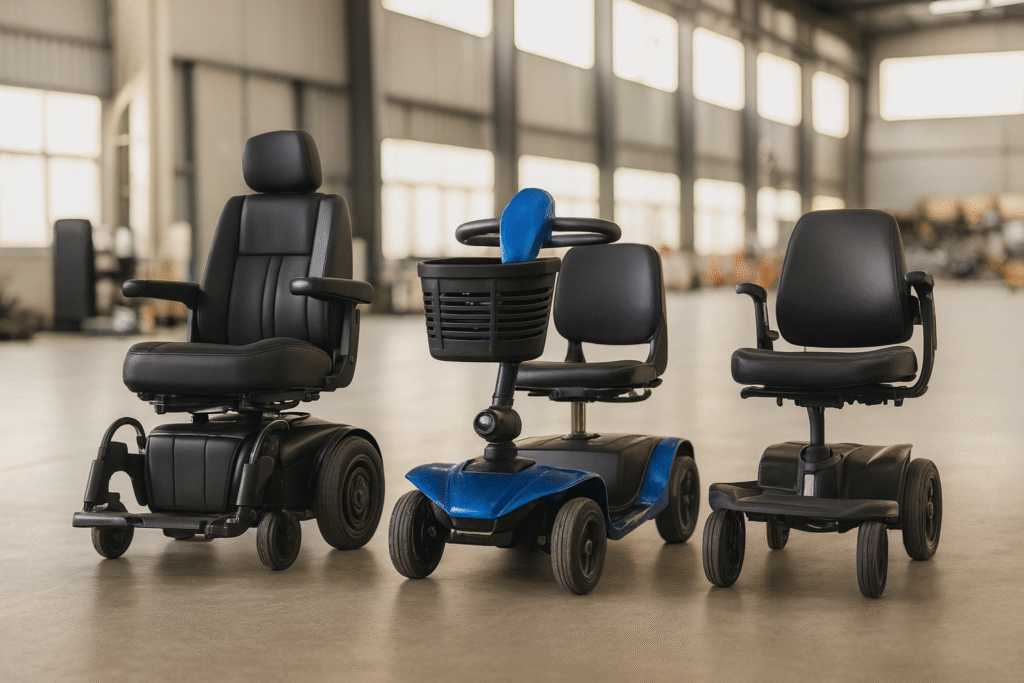
5 Essential Tips For The Correct Maintenance Of Your Electric Wheelchair
Last updated: July 2026

Electric wheelchairs represent a significant investment for users, healthcare institutions, and distributors alike. A single power wheelchair can cost anywhere from $1,500 to $15,000 depending on configuration, and replacing one prematurely due to preventable damage is a loss that ripples through the entire supply chain. According to a 2025 medical equipment report, electric wheelchairs that receive regular maintenance have a 60% lower failure rate, and their batteries last 30–50% longer than those without proper care (Dorrella, 2025).
For B2B distributors and dealers, the stakes are even higher. Inadequate maintenance leads to warranty claims, product returns, and damaged brand reputation — all of which erode profit margins. The NRRTS (National Registry of Rehabilitation Technology Suppliers) guidelines emphasize that preventive maintenance should be a standard part of the delivery process, with written checklists provided to every customer (NRRTS Practice Guidelines). This article breaks down five essential maintenance areas that every distributor should build into their after-sales support program.
1. Battery Care: The Heart of Electric Wheelchair Maintenance
Over 40% of all electric wheelchair performance issues stem from improper charging or aging battery cells (JBH Medical, 2026). Battery maintenance is not just about extending runtime — it directly affects user safety, device reliability, and warranty validity.
Charging Best Practices
Whether the wheelchair uses lithium-ion or lead-acid batteries, the fundamental rules remain consistent:
- Charge nightly, even after light use. Deep-cycle batteries prefer full recovery cycles. Allowing a battery to sit partially discharged for extended periods causes sulfation in lead-acid systems or cell imbalance in lithium-ion packs (JBH Medical Battery Guide).
- Never deep discharge. Recharge when battery levels reach 20–30%. Letting the battery drain to near zero repeatedly can reduce lifespan by 40% or more.
- Use only the manufacturer-approved charger. Voltage and amperage must match the battery system exactly. A charger that physically fits does not guarantee compatibility — overvoltage causes overheating, while undervoltage leads to incomplete charging and long-term degradation.
- Store at 60–80% charge if not in use for over a month. Recharge monthly to maintain battery activity and prevent deep discharge during storage.
Battery Replacement Cycles and Cost Considerations
For distributors managing fleet deployments, understanding battery replacement cycles is critical for accurate total cost of ownership (TCO) calculations:
| Type de batterie | Expected Lifespan | Replacement Cost (USD) | Key Considerations |
|---|---|---|---|
| Lead-Acid (AGM/Gel) | 12–18 months (daily use) | $100–$200 per pair | Heavier; requires regular terminal cleaning; budget-friendly upfront |
| Lithium-Ion | 3–5 years (500–1,000 cycles) | $400–$900+ | 60–70% lighter; higher upfront cost but lower annual TCO over 5 years |
For organizations managing multiple chairs, implementing a nightly charging policy and maintaining approved charger lists per model significantly reduces early capacity complaints and warranty disputes (JBH Medical, 2026).
Environmental Factors
Batteries should be charged and stored in environments between 10°C and 30°C (50°F–86°F). Extreme temperatures — both hot and cold — can reduce battery capacity by 30–50%. In summer, avoid charging in direct sunlight; in winter, expect reduced range and store wheelchairs indoors whenever possible (Kerdom Maintenance Guide, 2026).
2. Tire and Wheel Inspection: Ensuring Safe Mobility
Tires are the wheelchair’s only contact point with the ground, making them critical for both safety and ride quality. Worn or improperly inflated tires compromise traction, increase motor strain, and can cause tipping incidents.
Tire Types and Maintenance Requirements
- Pneumatic (air-filled) tires: Check pressure weekly. Underinflation increases rolling resistance and motor strain; overinflation reduces grip and ride comfort. Inspect for punctures, cracks, and tread wear monthly.
- Solid (flat-free) tires: No inflation needed, but inspect monthly for chunks missing, flat spots, and signs of hardening. Solid tires typically need replacement every 2–3 years depending on usage patterns.
- Semi-pneumatic tires: A hybrid option. Check for tread wear and ensure inserts remain properly seated.
Budget approximately $100–$200 every 3–4 years for caster and drive wheel replacement, depending on usage patterns and surface types (Wheelchairs360, 2026). For B2B distributors, including a tire replacement schedule in the user manual helps set expectations and creates a natural aftermarket revenue stream.
Caster and Bearing Maintenance
Front casters and their bearings require regular attention. Debris accumulation in the axle housing is a leading cause of erratic steering. Clean casters weekly with a damp cloth, and check that wheels spin freely without grinding or resistance. Sealed bearings typically last 2–3 years; if you notice squeaking or stiffness, replacement is straightforward and inexpensive ($15–$30 per bearing set).
3. Brake System Testing: A Non-Negotiable Safety Check
Electric wheelchairs use electromagnetic brakes that engage automatically when power is cut off or the joystick is released. This fail-safe design is critical for user safety — and any brake malfunction is a high-risk issue that requires immediate professional attention.
Daily Brake Test Protocol
Distributors should train end users and caregivers to perform a simple daily brake check:
- Turn on the wheelchair and drive forward at a slow speed on a level surface.
- Release the joystick abruptly. The wheelchair should stop within 1–2 feet.
- Turn off the wheelchair while on a slight incline. The brakes should hold the chair in place without rolling.
- Listen for unusual clicking, grinding, or buzzing sounds during braking.
If the wheelchair fails any of these tests, it should be taken out of service immediately. Brake coil faults or abnormal controller signals require diagnosis by certified technicians — users should never attempt to disassemble electromagnetic brake systems themselves (DNR Wheelchair Repair Guide, 2026).
Brake Maintenance for Distributors
For fleet managers and distributors, schedule professional brake inspections every 6 months as part of a comprehensive service visit. This should include brake adjustment, controller calibration, and general safety inspection. Annual service calls typically cost $150–$300 per visit but can prevent far more costly failures down the line (Wheelchairs360, 2026).
4. Controller and Electronics Protection
The joystick controller is the brain of an electric wheelchair, and it is also one of the most vulnerable components. Over 40% of electronic failures trace back to moisture ingress, impact damage, or connector corrosion (JBH Medical, 2026).
Protecting the Controller
- Never use a hose, pressure washer, or submerge any part of the wheelchair. Electronic components are highly sensitive to moisture. Use a damp cloth with mild soap for cleaning, and a dry brush or compressed air for the joystick area.
- Check joystick boots quarterly. The rubber cover protecting the joystick post degrades faster than most components. A cracked boot lets moisture into the controller housing and causes failures that cost far more than the $15–$30 replacement boot (Wheelchairs360, 2026).
- Inspect wiring harnesses monthly. Look for frayed cables, loose connectors, or signs of heat damage near the motor and controller. Tighten visible screws on armrests, footrests, and seat frames that can stress wiring.
- Keep firmware updated. Many modern controllers support diagnostic software updates. Controllers with diagnostic interfaces (PG Drives, Dynamic Linx) make service faster and cheaper because technicians can identify the exact fault before arrival.
Understanding Error Codes
Modern controllers use LED flash codes or digital display prompts to signal faults. For example, two flashes might indicate a low battery, while seven flashes could point to a motor fault. Distributors should provide a decoder chart with every wheelchair delivery and keep a digital copy accessible via QR code on the device frame. This empowers users to report issues accurately and reduces unnecessary service calls.
5. Frame and Upholstery Maintenance
While the frame is the most durable component of an electric wheelchair, neglect leads to corrosion, fastener loosening, and upholstery degradation — all of which affect safety and user comfort.
Weekly Cleaning Routine
- Wipe down the frame with a damp cloth and mild soap, paying special attention to gaps between wheels and the chassis where debris accumulates.
- Dry thoroughly to prevent corrosion, especially on steel components and exposed fasteners.
- In winter, clean salt and grit from the frame promptly — road salt accelerates corrosion dramatically.
Monthly Deep Inspection
- Check all fasteners — armrests, footrests, seat rails, and anti-tip wheels — for tightness. Vibration loosens hardware over time, and a loose footrest or armrest can cause instability.
- Inspect the seat cushion and backrest for tears, compression, or signs of wear. Pressure-relief cushions should be replaced when they lose their original shape, typically every 2–3 years.
- Examine the frame for hairline cracks, especially at weld points and stress areas. If any cracks are found, the wheelchair should be taken out of service immediately.
- Test auxiliary functions: lights, horn, indicators, and any tilt or recline mechanisms.
Seasonal Maintenance Calendar
| Season | Focus Area | Key Tasks |
|---|---|---|
| Spring | Post-winter recovery | Deep clean salt residue, inspect for corrosion, check tire pressure, lubricate moving parts |
| Summer | Heat protection | Store indoors, avoid charging in direct heat, monitor tire pressure (heat increases pressure) |
| Fall | Pre-winter preparation | Inspect lights and reflectors, test battery health, lubricate moving parts, check brake response |
| Winter | Cold weather adaptation | Store indoors, expect reduced range (up to 30%), clean salt and grit from frame promptly |
Source: Kerdom Electric Wheelchair Maintenance Checklist, 2026
Building a B2B Maintenance Program
For distributors and dealers, maintenance is not just a service obligation — it is a business opportunity. A well-structured maintenance program creates recurring revenue, builds customer loyalty, and differentiates your brand in a competitive market.
Key Components of a Distributor Maintenance Program
- Delivery-day checklist: Provide a written maintenance schedule tailored to the specific wheelchair model, including frequency charts for daily, weekly, monthly, and annual tasks.
- Annual professional service: Offer (or mandate) a comprehensive annual inspection covering motor, controller, and battery health. This is standard practice among NRRTS-certified suppliers.
- Spare parts kits: Bundle commonly needed replacement items (joystick boots, caster bearings, fuses) with bulk orders so dealers have stock on hand.
- Training resources: Include video tutorials, QR-coded maintenance guides, and a dedicated support hotline with every delivery.
- Warranty tracking: Maintain a digital record of each unit’s service history, which streamlines warranty claims and demonstrates compliance to manufacturers.
At 1000Mobility, we provide every distributor partner with a comprehensive maintenance documentation package, including model-specific service schedules, troubleshooting guides, and recommended spare parts lists. This ensures that end users receive consistent, high-quality after-sales support regardless of their location.
When to Repair vs. Replace
A practical rule of thumb: if repair costs exceed 50% of the current market value of the electric wheelchair, an upgrade is often more cost-effective (JBH Medical, 2026). Distributors should establish clear thresholds for when to recommend replacement rather than continued repair, and communicate these transparently to end users.
Key replacement triggers include:
- Frame cracks or structural damage
- Controller failure on units out of warranty (controller replacement alone can cost $400–$1,000)
- Motor failure on units with over 5 years of daily use
- Battery degradation below 60% of original capacity on lead-acid systems
In our five years of exporting electric wheelchairs to distributors across 30+ countries, we’ve learned that maintenance education is the single biggest factor in reducing warranty claims. The most common issue we see is not a product defect — it’s battery failure from improper charging habits. One distributor in Brazil reduced their warranty return rate by 40% simply by including a laminated charging instruction card with every delivery. Another in the UK started offering a free 6-month service check, which caught bearing wear and brake issues before they became safety incidents. We now include model-specific maintenance schedules and video tutorials with every shipment, and we’ve seen a measurable drop in after-sales support tickets. Our recommendation to every new distributor: invest in maintenance documentation before you invest in marketing.
1000Mobility Editorial Team
Product specialists with hands-on experience in mobility equipment manufacturing and B2B export. Learn more →
Interested in Wholesale Pricing?
Get OEM/ODM details, product specifications, and wholesale pricing within 24 hours.
Or send us a message directly:

 English
  Deutsch
  Français
  Español
  Italiano
  العربية
  Русский