What Is ICF and Why Should B2B Suppliers Care?
The ICF is a framework developed by the World Health Organization to help assess and describe human functioning in a standardized way. It looks at what a person can do, what they struggle with, and how their environment helps or hinders them. Unlike a medical diagnosis, ICF highlights real-world functioning.
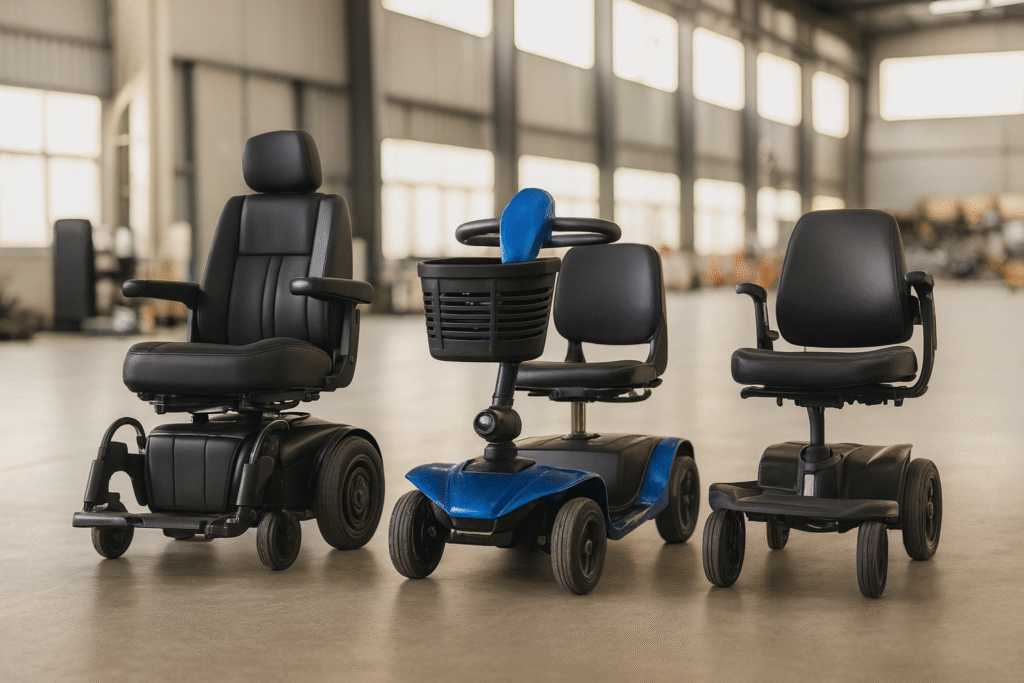
For example, an elderly person with mild Parkinson’s may still walk, but has reduced endurance and balance. This means they don’t necessarily need a full power wheelchair — but they might benefit greatly from a mid-sized mobility scooter with good stability and easy-to-use controls.
Using ICF Core Sets in Practice
ICF Core Sets are predefined selections of the most relevant ICF categories for certain health conditions or populations — like older adults. They include areas such as:
- Mobility (e.g., walking, changing positions)
- Self-care (e.g., washing, dressing)
- Domestic life (e.g., preparing meals, shopping)
By mapping these to product features, B2B suppliers can offer solutions that truly meet end-user needs.
Step-by-Step: From Assessment to Selection
Step 1: Identify Functional Limitations
Talk with the distributor, caregiver, or clinician to understand the user’s day-to-day life. Questions may include:
- How far can the user walk unaided?
- Can they manage stairs, slopes, or uneven terrain?
- How easily can they sit and stand?
Step 2: Define Use Scenarios
Is the scooter mainly for indoor use, neighborhood trips, or longer outdoor outings? Will it be transported in a car? For instance:
- For tight indoor spaces: compact 3-wheel scooters
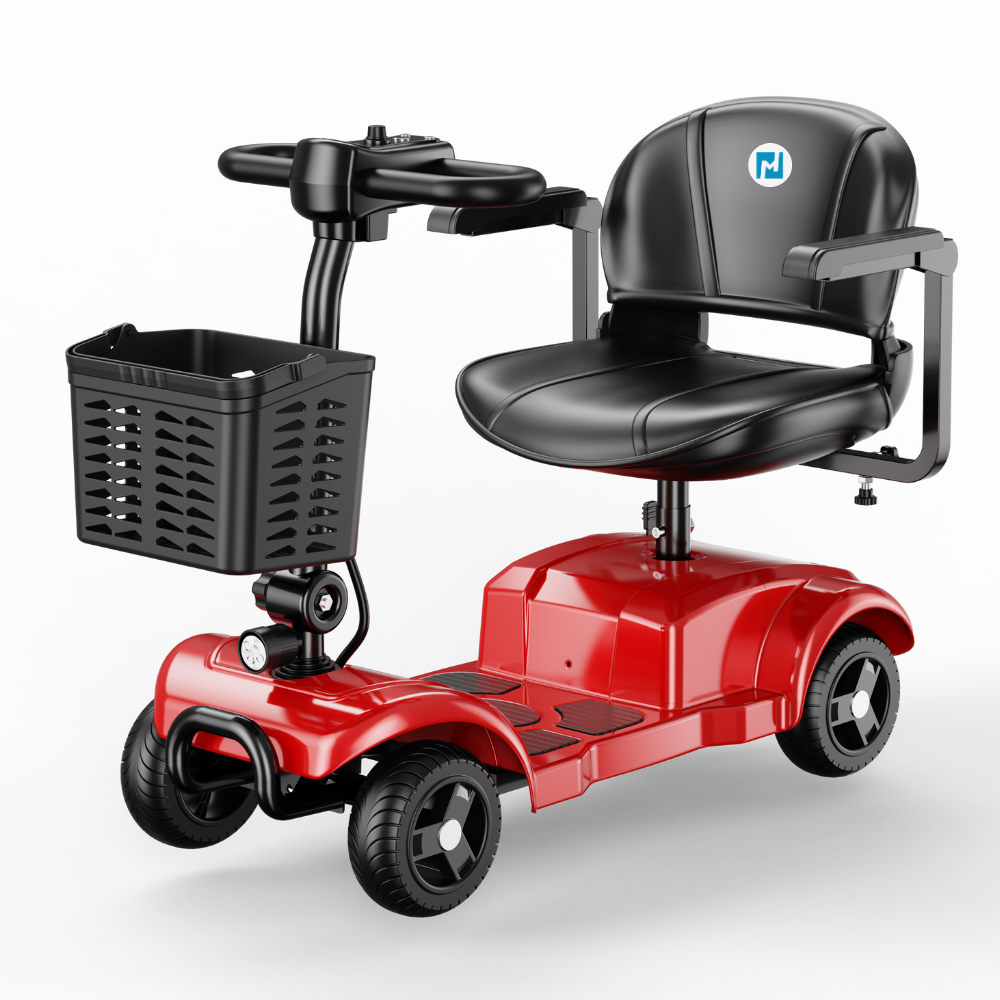
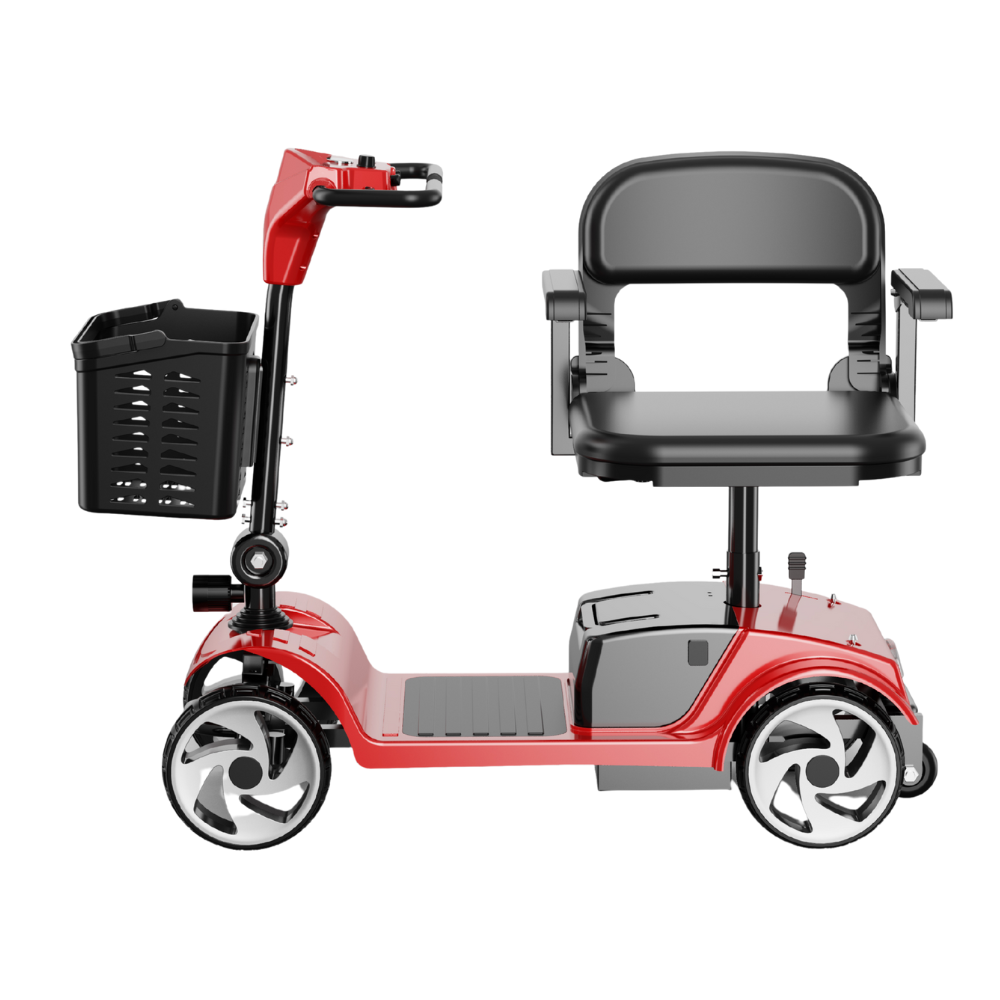
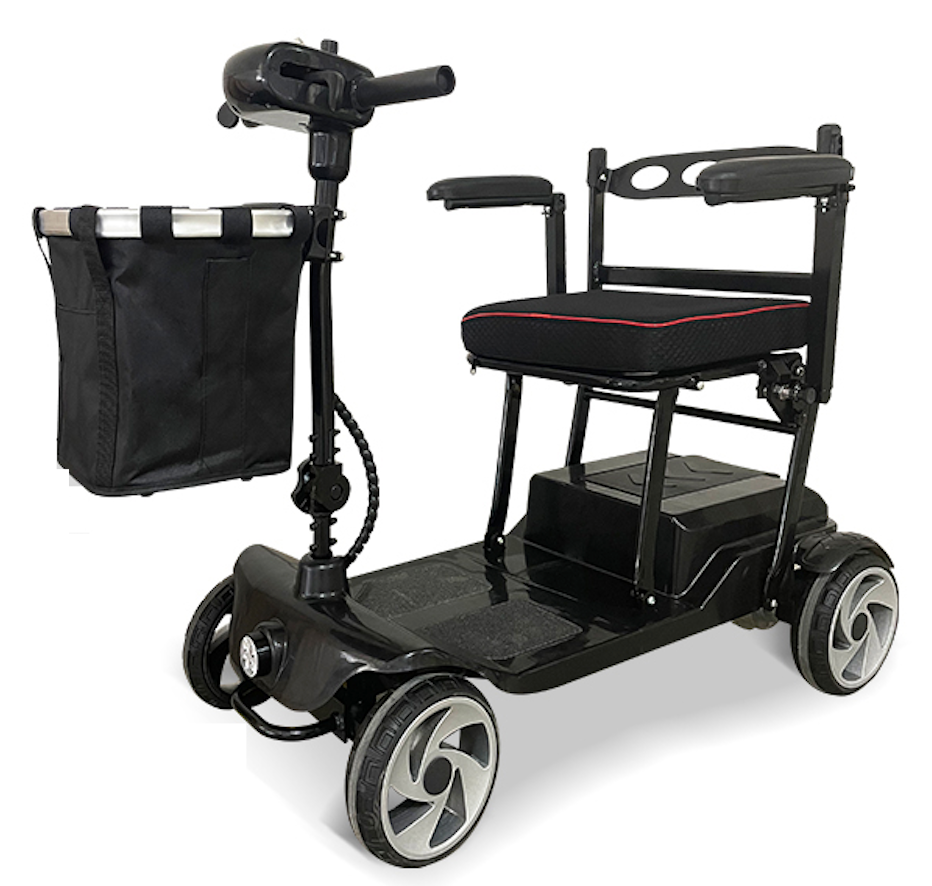
- For daily outdoor shopping: 4-wheel scooters with baskets and lights
- For mixed terrain: larger wheels, suspension, and higher battery capacity
Step 3: Match to Scooter Features
Here’s how specific ICF-based needs connect to mobility scooter traits:
ICF-Based NeedScooter FeatureLimited walking enduranceLong battery rangePoor balanceWide wheelbase and anti-tip wheelsDifficulty bending downSwivel seat and adjustable armrestsLow hand strength or tremorsErgonomic tiller with easy-grip throttle
Step 4: Consider the Environment
Like in the ATA model, context matters. Evaluate sidewalk conditions, home entrances, elevator sizes, and parking storage options. A great scooter in a poor environment will frustrate users.
Step 5: Respect Personal Preferences
Older adults are more likely to use a product that feels dignified, stylish, and easy to maintain. Suppliers should offer:
- Color options
- Simple displays
- Easily swappable batteries or baskets
Conclusion: Bridging Theory and Practice
The ICF framework doesn’t have to be overwhelming. B2B suppliers can use it to frame practical conversations with partners and clients. By linking observable functional challenges with real-world product features, suppliers can offer solutions that improve user independence, reduce abandonment, and build long-term customer trust.
Ultimately, it’s about moving beyond one-size-fits-all sales and into personalized mobility solutions that keep users active and engaged.
 Ga naar de inhoud

 English
  Deutsch
  Dansk
Dansk  Nederlands
  Suomi
Suomi  Français
  Bahasa Indonesia
  Italiano
  日本語
日本語  한국어
한국어  Norsk bokmål
  Polski
  Português do Brasil
  Русский
  Español
  Svenska
  ไทย
ไทย  Türkçe
  Tiếng Việt